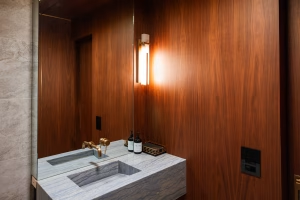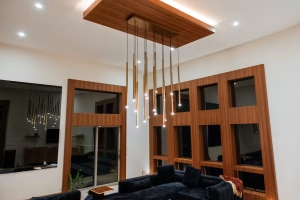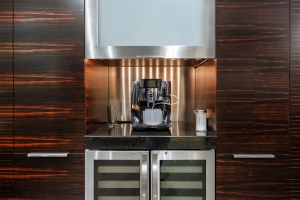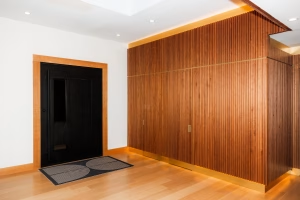

When planning a custom millwork project – whether for a Manhattan penthouse, a Brooklyn townhouse, or a high-end commercial space – one of the earliest and most important decisions centers around material selection. The two primary options are solid wood and wood veneer, each offering distinct benefits, design possibilities, and performance characteristics. Understanding the difference between the two is essential for ensuring your millwork not only looks beautiful on day one, but continues performing for years to come.
As a leading New York millwork company, we guide clients through these material choices every day. Many people begin with the assumption that solid wood is always superior, but the truth is more nuanced. Both solid wood and veneers play crucial roles in luxury residential and commercial millwork. The key is knowing when – and why – to choose one over the other.
What Is Solid Wood?
Solid wood refers to lumber cut directly from the tree, milled, and used as-is. It’s the most traditional material in woodworking and is known for its strength, durability, and natural beauty. Each board has its own grain variation, depth, and character, creating a rich and organic aesthetic that only improves over time.
Solid wood is commonly used in custom millwork NYC projects such as:
High-end cabinetry
Doors and frames
Trim, moldings, and architectural details
Furniture and specialty built-ins
Countertops and bar tops
The visual depth and texture of solid wood make it an excellent choice for residential spaces where warmth, luxury, and authenticity matter.
What Is Wood Veneer?
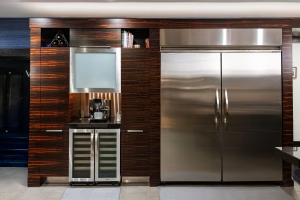
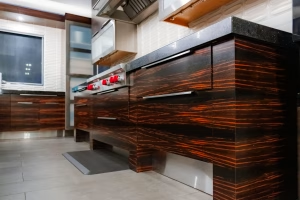
Wood veneer is a thin slice of real wood applied to a substrate such as MDF, plywood, or particleboard. Veneers allow the natural beauty of wood to be showcased while providing improved stability and design flexibility. Veneer is not faux wood – it is genuine wood, used in a different format.
Veneer is commonly found in:
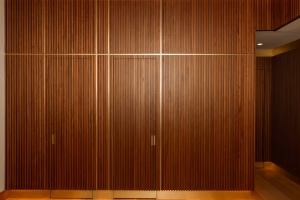
Wall paneling
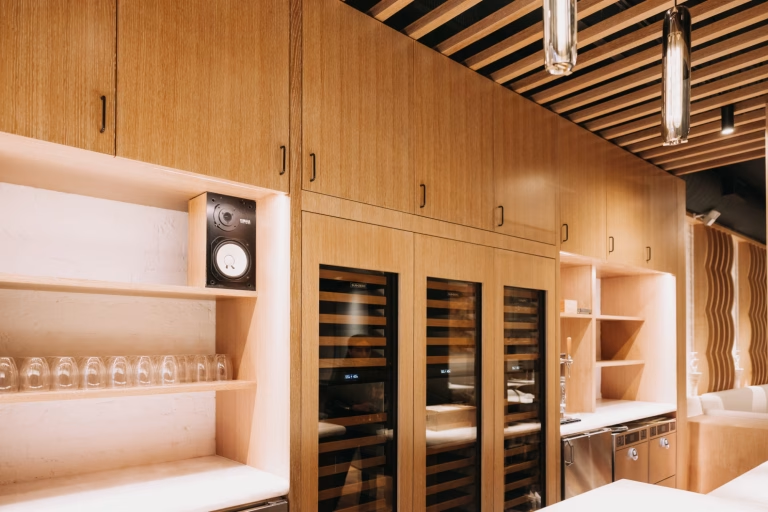
Large built-in units
Commercial fixtures
Custom closets
Architectural panel systems
Modern cabinetry
Because it’s applied to a stable substrate, veneer helps millwork resist warping, cracking, or seasonal movement – issues that can arise with large spans of solid wood.
The Strengths of Solid Wood
Solid wood’s most notable advantage is its longevity. With proper care, solid wood millwork can last a lifetime. It can also be refinished, repaired, and re-stained multiple times, making it ideal for high-touch surfaces and heritage-inspired designs.
Other benefits include:
A rich, timeless appearance
Beautiful grain patterns unique to each board
Superior strength for structural components
Long-term durability in both residential and commercial applications
For many clients, solid wood’s authenticity is a major draw. Its weight, texture, and organic feel immediately communicate luxury craftsmanship – one of the reasons it is frequently selected for custom millwork NYC homes, boutique hotels, high-end restaurants, and office boardrooms.
The Strengths of Veneer
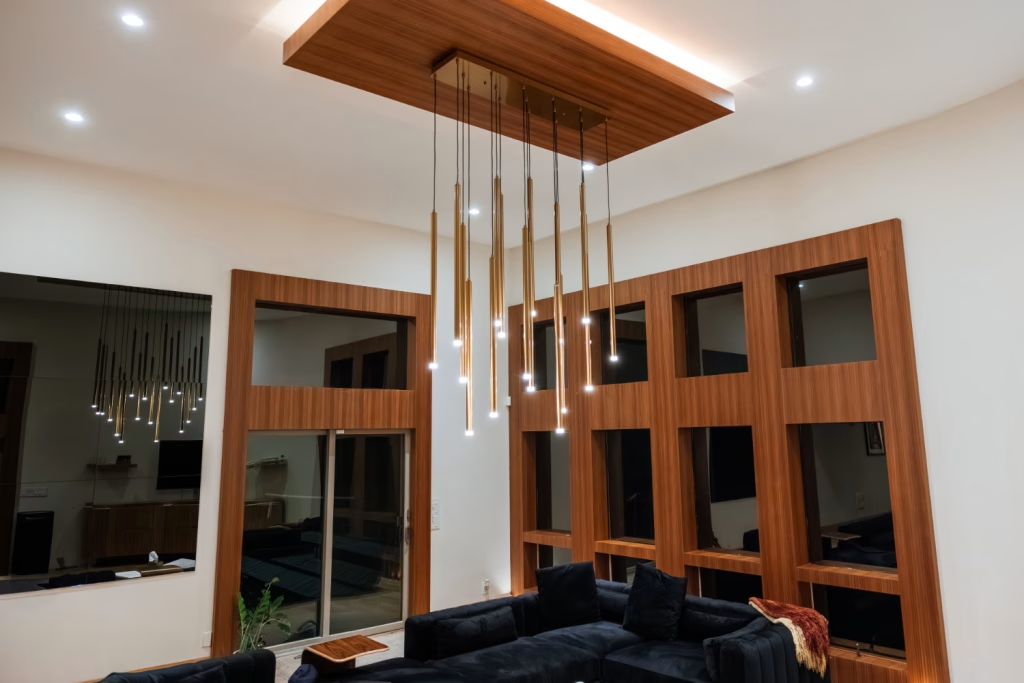
Veneer offers advantages that solid wood simply cannot match, especially in large-scale projects or modern designs. Because veneer is applied to a stable substrate, it remains flat and consistent, even in environments with fluctuating humidity – an important consideration in New York’s climate.
Key benefits of veneer include:
Exceptional stability, reducing risk of warping or cracking
Ability to create continuous grain patterns across large surfaces
Greater cost efficiency compared to solid wood
Expanded design flexibility
Wide sheet sizes ideal for modern architecture
For example, a large feature wall in a commercial lobby would be almost impossible to achieve with solid wood without visible seams or movement over time. Veneer allows the designer to achieve a seamless, architecturally clean look while still showcasing real wood grain.
When to Choose Solid Wood vs. Veneer
Both materials have their place, and in most luxury projects, a blend of the two creates the best performance and design outcome.
Solid wood is ideal for:
Components that require structural strength
Doors, drawer fronts, and moldings
Furniture-style built-ins
Areas where the tactile experience of natural wood is a priority
Wood veneer is ideal for:
Large panels or full-height walls
Cabinet boxes and interior partitions
Curved millwork elements
Projects requiring consistent grain and color
Contemporary, minimalist designs
One of the most important aspects of working with a New York millwork company is achieving the perfect balance. For example, a custom cabinet may feature solid wood frames and edges for durability, combined with veneer panels for stability and seamless aesthetics. This hybrid approach ensures longevity, beauty, and performance.
Environmental Considerations
Wood veneer is often a more sustainable choice because it maximizes the use of each log. Instead of cutting thick boards, veneer allows for dozens of wide, thin sheets that preserve the natural beauty of the wood with less waste. Paired with FSC-certified materials or low-VOC substrates, veneer can be an excellent eco-friendly option.
Solid wood can also be environmentally responsible when sourced from sustainably managed forests. As part of our commitment to sustainable millwork, we proudly offer eco-conscious material options for both solid and veneered projects.
Craftsmanship Makes the Difference
Material is only half the story. The true difference lies in craftsmanship. Poorly applied veneer can peel or bubble. Solid wood installed incorrectly can expand, contract, or cup. But expertly fabricated and installed millwork – whether solid, veneered, or a combination – performs beautifully.
At New York Custom Interior Millwork, we fabricate both solid wood and veneer millwork in-house at our Astoria workshop. Our team hand-matches veneer grain patterns, builds architectural panels with precision, and crafts solid wood components that age gracefully and reliably.
The result is millwork that looks stunning today and stands the test of time.
Choosing the Best Material for Your Project
Ultimately, the best material depends on your design goals, functional needs, and architectural context. Solid wood provides timeless warmth and durability. Veneer offers unmatched design flexibility and stability. When used together, they elevate both residential and commercial interiors with craftsmanship that feels intentional, cohesive, and luxurious.
If you’re beginning a project and want expert guidance on choosing the right materials, contact New York Custom Interior Millwork at (718) 392-1600 or email liz@nycmillwork.com. Our team will walk you through samples, finishes, and custom solutions to create millwork tailored to your vision.