
New York City is one of the most architecturally diverse places in the world. From historic brownstones and Beaux-Arts landmarks to Art Deco skyscrapers and sleek modern towers, the city’s built environment tells a story that spans centuries. Every neighborhood, every street, and every building contributes to a layered architectural identity that continues to evolve. For those of us working in custom millwork, that environment is more than just a backdrop – it’s a constant source of inspiration.
At New York Custom Interior Millwork, we draw from the city’s architectural legacy every day. Whether we’re designing wall paneling for a hospitality space, building custom cabinetry for a residential renovation, or crafting architectural details for a commercial project, NYC’s rich design history influences how we approach millwork. The patterns, proportions, materials, and craftsmanship found throughout the city shape the way we design and fabricate our work.
Architecture as a Design Language
Architecture communicates through structure, proportion, and detail. Millwork plays a vital role in translating that language from the exterior of a building into the spaces within it. In many cases, architectural millwork bridges the gap between the building’s structural framework and the human experience inside.
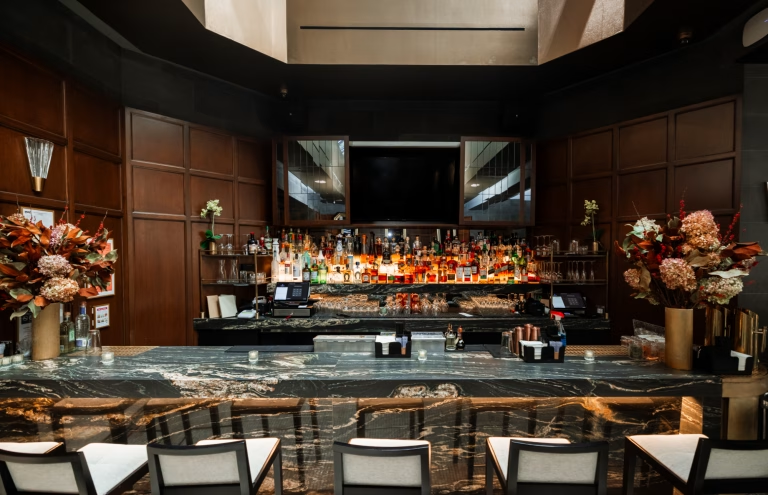
For example, the symmetry found in traditional Manhattan townhouses often inspires paneled wall systems, balanced cabinetry layouts, and carefully proportioned moldings. Meanwhile, the bold geometry of Art Deco buildings influences millwork designs that incorporate stepped forms, fluted textures, and metallic accents.
By referencing architectural cues already present in the building, custom millwork helps interiors feel cohesive rather than disconnected from their surroundings.
Historic Buildings Inspire Timeless Details
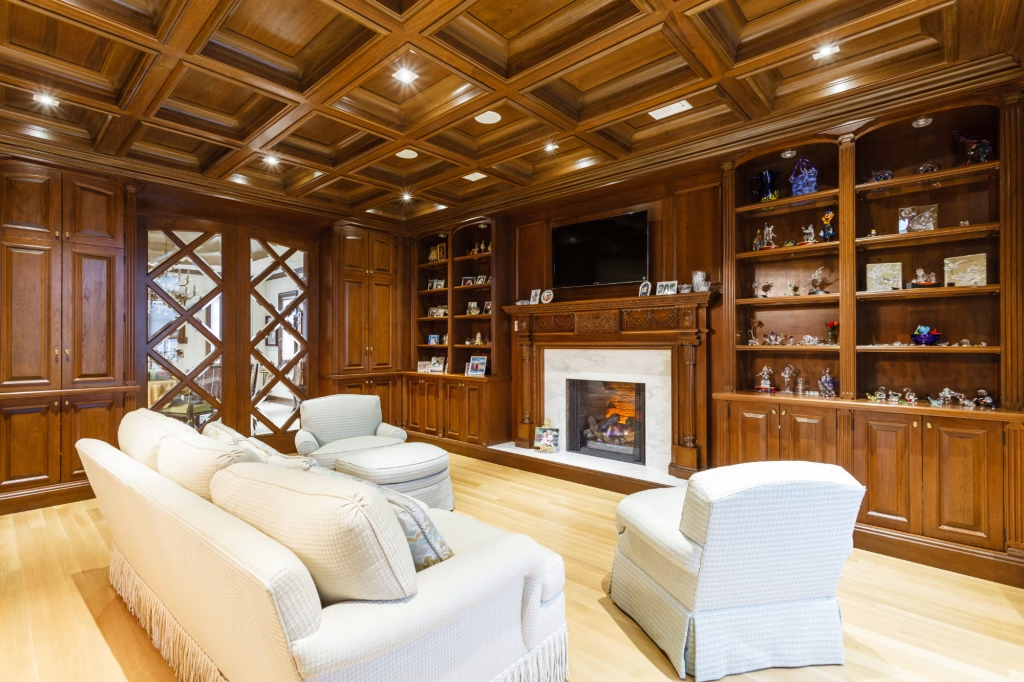
Many of New York City’s most iconic buildings were constructed during periods when craftsmanship was paramount. Ornate moldings, hand-carved woodwork, decorative columns, and intricate paneling were not uncommon in historic interiors. These details continue to inspire millwork designs today.
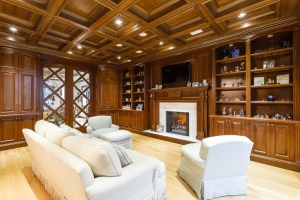
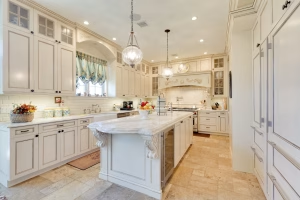
In residential renovations, for instance, homeowners often want to preserve the character of a pre-war apartment or brownstone. Custom millwork allows us to replicate traditional moldings, restore historic paneling styles, and create cabinetry that complements the building’s original design language.
Rather than imitating the past exactly, these details can be interpreted in ways that feel fresh while maintaining respect for the building’s history. This balance between preservation and innovation is a hallmark of millwork design in NYC.
Modern Architecture Brings New Possibilities
While the city’s historic architecture provides one source of inspiration, modern buildings offer another. Contemporary towers, loft conversions, and minimalist interiors often emphasize clean lines, natural materials, and simplicity.
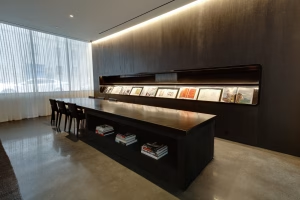
Millwork in these environments takes on a different character. Instead of ornate moldings or decorative carving, modern architectural millwork often focuses on precision and restraint. Flush panels, subtle reveals, integrated lighting, and streamlined cabinetry allow the material itself to become the focal point.
Wood species like rift-cut white oak or walnut are frequently used to bring warmth to otherwise minimal interiors. The result is millwork that complements modern architecture while adding texture and depth.
Neighborhoods Shape Design Perspectives
New York’s neighborhoods each have their own architectural personality, and that personality often informs the millwork we create. The historic townhouses of the Upper West Side, the industrial lofts of SoHo, the luxury high-rises of Midtown, and the brownstones of Brooklyn all present unique design contexts.
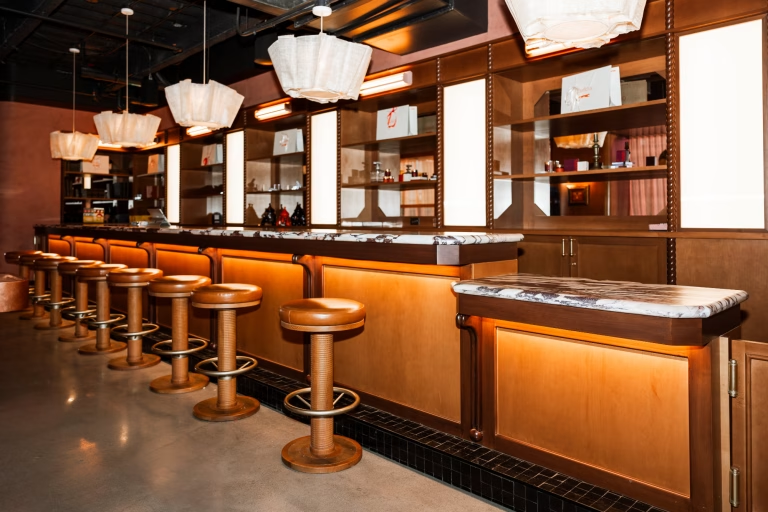
A hospitality space in Tribeca may draw inspiration from the area’s industrial past, incorporating exposed wood textures and bold architectural forms. A boutique retail shop in SoHo might lean into minimalist millwork to complement the neighborhood’s gallery-like interiors. A residential project in Park Slope may emphasize traditional paneling and warm wood tones that echo the surrounding brownstone architecture.
Understanding these contextual influences allows millwork to feel authentic to its environment rather than imposed upon it.
Materials That Reflect the City’s Character
Materials are another way architecture informs millwork design. NYC buildings showcase a wide variety of materials – limestone, brick, steel, glass, and wood – often combined in distinctive ways. These combinations inspire the material palettes we use in custom millwork.
Wood millwork paired with metal accents can reflect the industrial heritage of certain neighborhoods. Warm wood paneling combined with stone surfaces can echo the sophistication of classic Manhattan interiors. Even the color tones of exterior materials can influence interior millwork finishes.
By referencing these material relationships, millwork becomes part of a broader architectural narrative.
Craftsmanship in a City Built by Craftsmen
New York’s architectural legacy is rooted in craftsmanship. Many of the city’s historic buildings were constructed during a time when artisans and tradespeople took immense pride in their work. Carpenters, stoneworkers, metalworkers, and other craftsmen contributed their expertise to create structures that have endured for generations.
That legacy continues to influence how we approach millwork today. Every custom cabinet, wall panel, or built-in we fabricate reflects a commitment to precision and care. Just as the craftsmen of the past shaped the city’s architecture, today’s millworkers contribute to the ongoing story of New York’s built environment.
By combining traditional craftsmanship with modern tools and design techniques, custom millwork keeps that legacy alive.
Creating Designs That Belong to the City
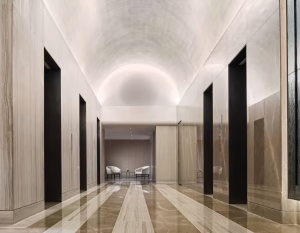
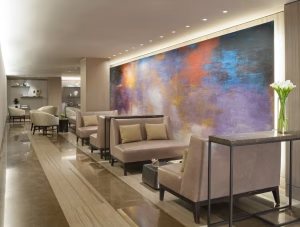
One of the most rewarding aspects of working in New York is contributing to spaces that become part of the city’s fabric. Whether it’s a restaurant interior, a residential renovation, or a commercial lobby, each project adds another layer to the city’s design landscape.
Millwork plays a quiet but powerful role in shaping those spaces. It frames views, defines rooms, supports functionality, and adds architectural character. When thoughtfully designed, millwork feels as though it has always belonged in the building.
That sense of belonging is what makes custom millwork so meaningful in a city as architecturally rich as New York.
Inspired by the Past, Built for the Future
NYC’s architecture offers endless inspiration for millwork design, from historic craftsmanship to modern innovation. By studying the city’s buildings, materials, and proportions, we are able to create millwork that feels authentic, timeless, and perfectly suited to its surroundings.
At New York Custom Interior Millwork, we take pride in drawing from the architectural spirit of the city while crafting spaces that serve today’s needs. Every project is an opportunity to contribute to the design legacy that makes New York one of the most inspiring places in the world.
If you’re planning a residential or commercial project and want millwork that reflects the character of NYC architecture, contact New York Custom Interior Millwork at (718) 392-1600 or email liz@nycmillwork.com. Let’s create something worthy of the city that inspires it.