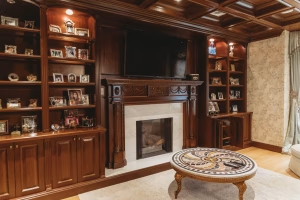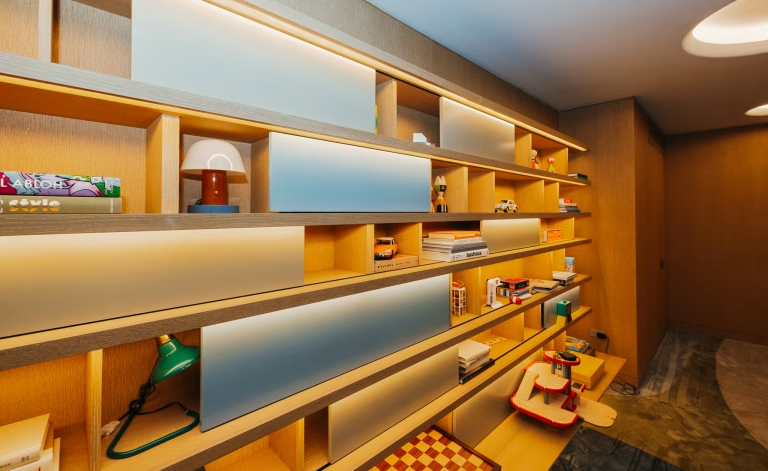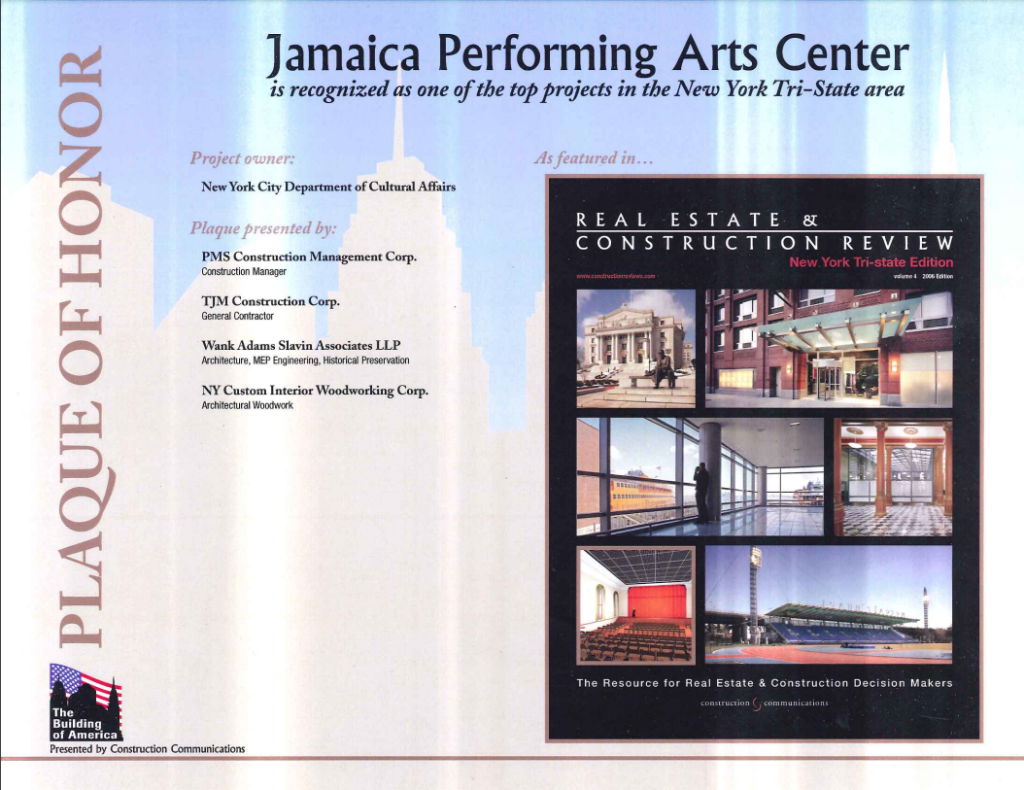

When people think about interior design, they often focus on furniture, paint colors, or decorative finishes. However, some of the most impactful elements in a space are built directly into the architecture itself. This is where architectural millwork comes in. From custom wall paneling and built-in cabinetry to intricate moldings and reception desks, architectural millwork shapes the character, function, and experience of an interior.
In New York City, where design standards are exceptionally high and every inch of space matters, architectural millwork plays a major role in both residential and commercial interiors. It adds depth, structure, and sophistication while also improving functionality and organization. At New York Custom Interior Millwork, architectural millwork is at the heart of what we do. It is the element that transforms ordinary interiors into spaces that feel intentional, timeless, and uniquely tailored.
What Is Architectural Millwork?
Architectural millwork refers to custom-crafted woodwork and built-in elements that are integrated into the structure and design of a space. Unlike standalone furniture, millwork is designed specifically for the environment it occupies and becomes part of the architecture itself.
Architectural millwork can include:
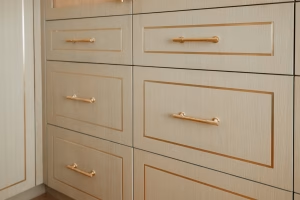
Custom cabinetry
Wall paneling
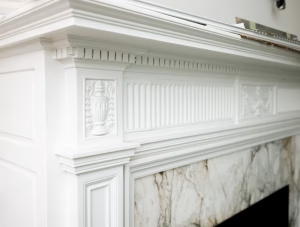
Crown and base moldings
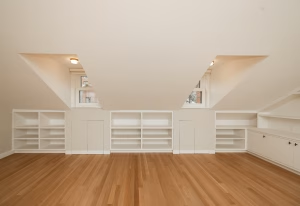
Built-in shelving and storage
Reception desks
Bar millwork
Decorative ceiling treatments
Window and door casings
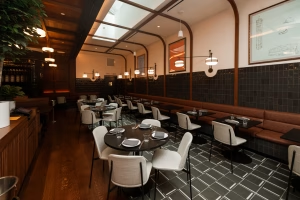
Banquettes and seating
Custom closet systems
These elements are fabricated to precise dimensions and tailored to fit the style, layout, and functional needs of the space.
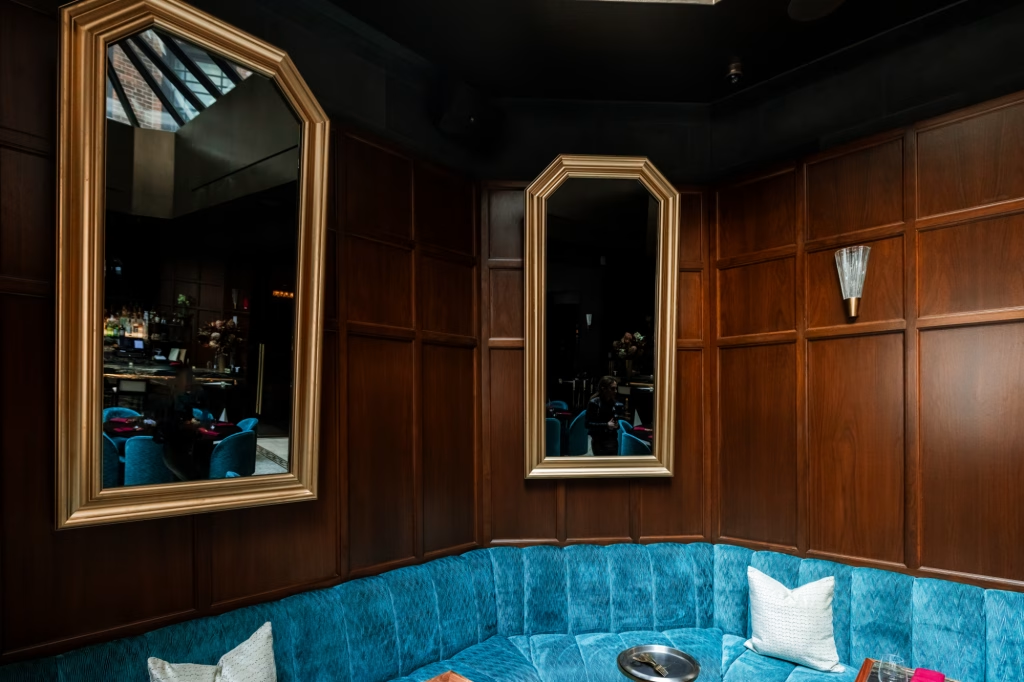
The Difference Between Millwork and Standard Cabinetry
One of the most common misconceptions is that architectural millwork is simply another term for cabinetry. While cabinetry is certainly part of millwork, architectural millwork encompasses much more.
Standard cabinetry is often mass-produced in predetermined sizes and styles. Architectural millwork, on the other hand, is custom-designed and fabricated specifically for the project. It considers the architecture of the room, ceiling heights, proportions, materials, and how each element interacts with the surrounding environment.
This custom approach allows millwork to feel seamless and cohesive rather than added on after the fact.
Why Architectural Millwork Matters
Architectural millwork matters because it shapes how a space looks, feels, and functions. It introduces structure and detail that elevate interiors beyond basic finishes.
In many cases, millwork serves as the visual framework of a room. Wall paneling can add texture and depth. Built-ins can create organization while maintaining clean lines. Moldings can define transitions between walls, ceilings, and floors.
These details may seem subtle individually, but together they create interiors that feel complete and thoughtfully designed.
Enhancing Functionality in NYC Spaces
In New York City homes and commercial environments, functionality is just as important as aesthetics. Architectural millwork allows spaces to work harder without sacrificing beauty.
Custom built-ins maximize storage in small apartments. Reception desks integrate technology while maintaining a polished appearance. Hospitality millwork conceals operational needs behind elegant finishes. Office millwork improves organization and workflow.
Because millwork is tailored to the space, it allows every square foot to be used efficiently. This level of customization is particularly valuable in NYC, where unconventional layouts and limited space are common.
Creating a Cohesive Interior Design
Architectural millwork plays a critical role in creating cohesion throughout an interior. By repeating materials, finishes, and detailing across different elements, millwork ties spaces together visually.
For example, a custom kitchen may feature cabinetry finishes that continue into adjacent built-ins or wall paneling. A hospitality project may use consistent wood tones and architectural details across the lobby, lounge, and dining areas.
This continuity creates a sense of harmony that makes interiors feel more refined and intentional.
Adding Architectural Character
One of the greatest strengths of architectural millwork is its ability to add character. Whether the style is classic, contemporary, or transitional, millwork introduces architectural interest that plain drywall simply cannot provide.
Traditional interiors may incorporate raised paneling, decorative moldings, or coffered ceilings. Modern spaces may rely on flush panels, minimalist reveals, and integrated lighting. In both cases, millwork helps define the personality of the space.
For historic NYC homes and landmark buildings, architectural millwork can also preserve or reinterpret original design elements, maintaining a connection to the building’s history while adapting it for modern living.
Supporting Long-Term Value
Architectural millwork is not just a design upgrade. It is also a long-term investment. High-quality millwork adds value to residential and commercial properties by improving both appearance and functionality.
Custom cabinetry, built-ins, and architectural details are often viewed as premium features in the real estate market. They signal quality craftsmanship and thoughtful design, making spaces more desirable to buyers, tenants, and guests.
Because custom millwork is built to last, it continues to add value long after installation.
The Role of Craftsmanship
Craftsmanship is what sets architectural millwork apart from standard construction. Every detail, from material selection to joinery and finishing, requires precision and expertise.
At New York Custom Interior Millwork, our process combines advanced technology with hands-on craftsmanship. Detailed shop drawings ensure accuracy, while skilled artisans fabricate and finish each piece with care.
This attention to detail ensures that the final product not only looks exceptional but also performs reliably over time.
Why Architectural Millwork Is Essential
Architectural millwork matters because it bridges the gap between design and function. It transforms interiors into spaces that feel cohesive, efficient, and visually compelling.
In a city like New York, where architecture and interior design play such a significant role in daily life, custom millwork helps spaces stand out. It reflects the personality of the people and businesses who occupy them while supporting how those spaces are used.
At New York Custom Interior Millwork, we believe architectural millwork is one of the most important investments a client can make in a space. From luxury residential interiors to hospitality and commercial projects, our team is dedicated to creating millwork that combines beauty, durability, and purpose.
If you are planning a residential or commercial project and want to explore the possibilities of architectural millwork, contact New York Custom Interior Millwork at (718) 392-1600 or email liz@nycmillwork.com. Let’s create something built to last and designed to inspire.