
When planning a residential or commercial interior project, terms like millwork, casework, and carpentry are often used interchangeably. While they are closely related, they are not the same thing. Understanding the differences between these three areas is important for homeowners, designers, architects, and contractors alike, especially when quality, customization, and design are priorities.
In New York City, where interior spaces are highly customized and architectural detail matters, knowing which service best fits your project can make a major difference in both the final result and the overall experience. At New York Custom Interior Millwork, we specialize in custom millwork, but we frequently collaborate with carpenters, contractors, and casework fabricators as part of larger residential and commercial projects.
While all three disciplines involve woodworking and construction, they differ significantly in purpose, level of customization, materials, and craftsmanship.
What Is Millwork?
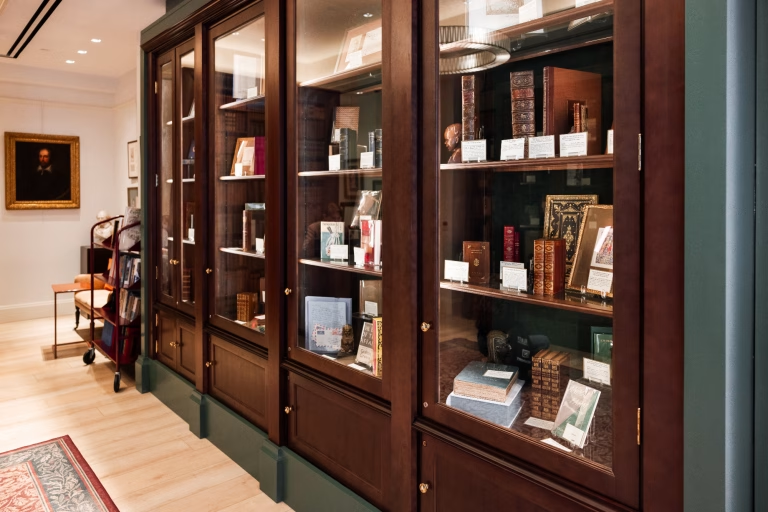
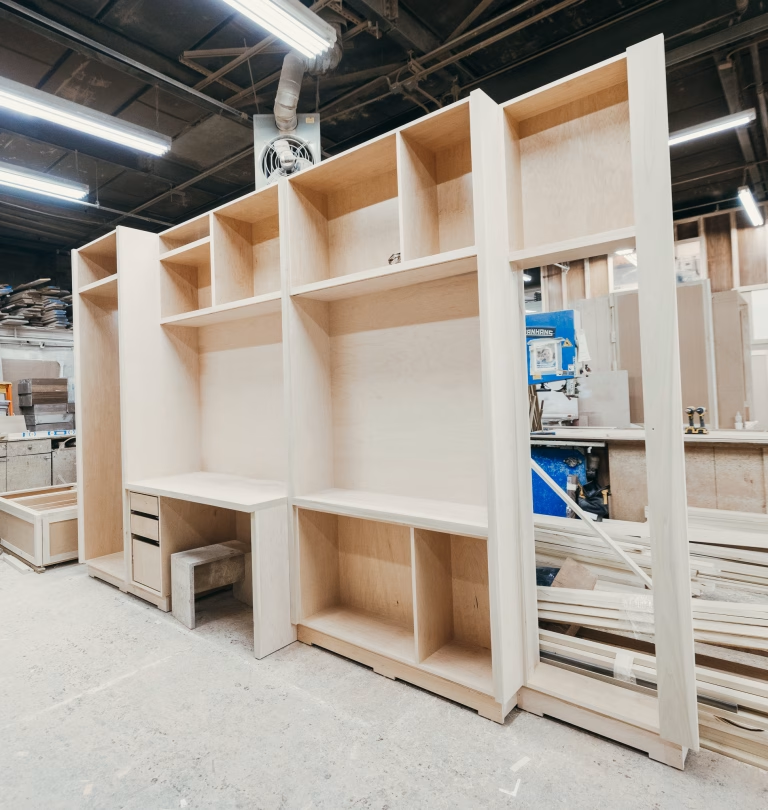
Millwork refers to custom-crafted woodwork and architectural elements fabricated specifically for a space. Millwork is typically produced in a workshop or mill and then installed on-site. Unlike mass-produced products, custom millwork is tailored to the exact dimensions, design goals, and functional needs of the project.
Architectural millwork can include:
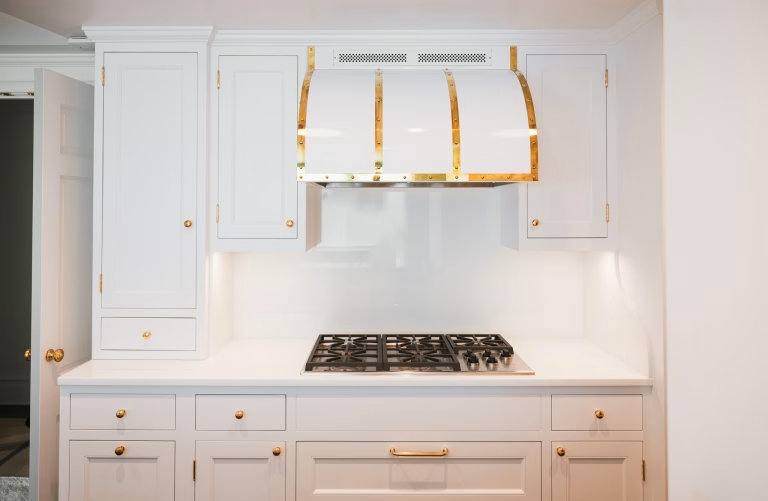
Custom cabinetry
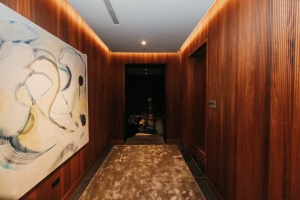
Wall paneling
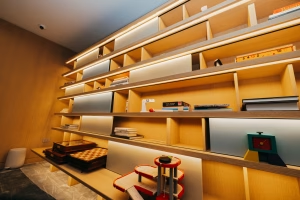
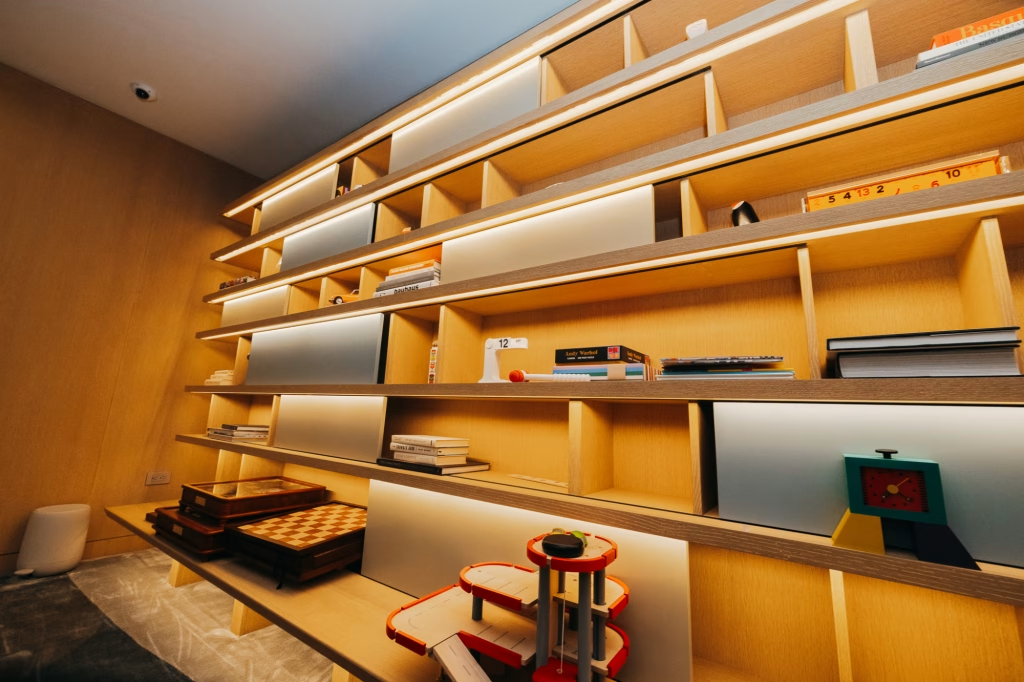
Built-in shelving
Moldings and trim
Reception desks
Hospitality bars
Banquettes and seating
Custom closets
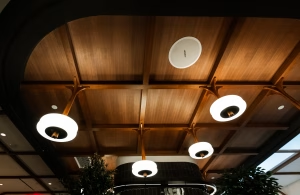
Decorative ceiling details
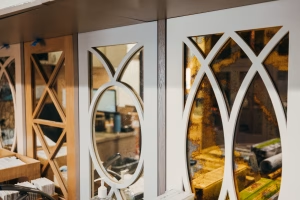
Doors and window casings
What sets custom millwork apart is its focus on craftsmanship, customization, and integration with the architecture of the space.
Millwork often becomes part of the visual identity of an interior. It is designed not only to serve a practical purpose but also to elevate aesthetics and create cohesion throughout the environment.
In luxury residential millwork and high-end commercial interiors, millwork is frequently one of the defining design elements of the project.
What Is Casework?
Casework refers to modular or box-style cabinetry and storage units that are often manufactured in standardized sizes. While custom casework exists, the term is generally associated with more functional, utility-focused cabinetry systems commonly used in offices, schools, healthcare facilities, and commercial environments.
Examples of casework include:
Office storage cabinets
Classroom cabinetry
Laboratory cabinets
Utility storage systems
Commercial shelving units
Casework is typically designed with efficiency, durability, and functionality as the primary goals. It often uses manufactured materials such as laminate, melamine, or veneer rather than premium hardwoods.
Unlike architectural millwork, casework is usually less decorative and less integrated into the architectural character of the space. It focuses more heavily on practicality and consistency across multiple units or locations.
That said, high-end commercial projects sometimes combine casework with custom millwork to balance functionality and aesthetics.
What Is Carpentry?
Carpentry is the broader trade that involves constructing, installing, and repairing wooden structures and building components. Carpenters work on-site and are responsible for a wide range of structural and finish-related tasks.
Carpentry can include:
Framing walls and structures
Installing doors and windows
Building staircases
Installing trim and molding
Constructing decks or exterior woodwork
General wood installation and finishing work
Carpenters are essential to the construction process, and many finish carpenters work closely with millwork installers during final project phases.
While carpentry often involves skilled craftsmanship, it differs from millwork in that the focus is typically on construction and installation rather than custom fabrication and design development.
How Millwork Stands Apart
The biggest distinction between millwork and the other categories is customization. Custom millwork is designed specifically for the project, fabricated with precision, and integrated into the overall architectural vision of the space.
Millwork combines design, engineering, fabrication, and installation into a highly specialized process. It often involves close collaboration with architects, designers, and clients to ensure every detail aligns with the project’s goals.
Unlike standard casework or general carpentry, millwork allows for:
Fully customized dimensions
Unique material selections
Architectural detailing
Specialty finishes
Integrated lighting and hardware
Tailored storage solutions
Seamless integration with surrounding interiors
This level of personalization is especially important in NYC homes and hospitality spaces where no two projects are alike.
The Role of Technology and Craftsmanship
Modern custom millwork also blends advanced technology with traditional craftsmanship. Detailed shop drawings, precision fabrication equipment, and digital modeling ensure accuracy and efficiency throughout the process.
At the same time, skilled craftsmen are essential for finishing, assembly, and ensuring every detail meets the highest standards. This combination of innovation and hands-on expertise is what allows architectural millwork to achieve such a refined result.
Why Understanding the Difference Matters
Knowing the difference between millwork, casework, and carpentry helps clients make informed decisions when planning a project.
If the goal is highly customized, design-driven interiors with architectural detail and premium finishes, custom millwork is typically the best solution. If the focus is standardized utility storage, casework may be more appropriate. If structural construction or installation is required, carpentry becomes essential.
Many projects involve all three disciplines working together. For example, a luxury office may include custom reception desk millwork, modular casework for employee storage, and finish carpentry for trim installation.
Understanding each role ensures better planning, communication, and project outcomes.
Why Custom Millwork Continues to Stand Out
In a world increasingly dominated by mass production and standardized interiors, custom millwork offers something unique. It creates spaces that feel personal, intentional, and deeply connected to the architecture of the home or business.
At New York Custom Interior Millwork, we believe custom millwork is about more than woodwork alone. It is about craftsmanship, collaboration, and creating interiors that elevate everyday experiences.
Whether it is a luxury kitchen, a hospitality lobby, a custom closet, or architectural wall paneling, millwork transforms spaces in ways that standard solutions simply cannot replicate.
If you are planning a residential or commercial project and want to explore how custom millwork can elevate your space, contact New York Custom Interior Millwork at (718) 392-1600 or email liz@nycmillwork.com. Let’s build something tailored specifically for you.