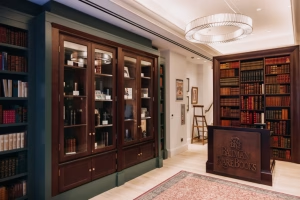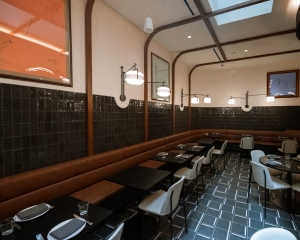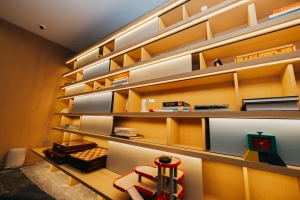

The world of custom millwork is rooted in tradition: centuries of craftsmanship, material knowledge, and hands-on skill passed down through generations. Yet today, that tradition is being redefined by innovation. In a city like New York, where design pushes boundaries and expectations are constantly evolving, the future of millwork lies in the seamless integration of advanced technology with time-honored techniques.
Custom millwork in NYC is no longer just about cutting and assembling wood. It is a sophisticated process that combines digital precision, material science, and artisanal craftsmanship to create spaces that are both functional and visually striking. At New York Custom Interior Millwork, we embrace this balance every day, honoring the craft while leveraging modern tools to deliver exceptional results.
Technology Enhances Precision, Not Replaces Craftsmanship
One of the most important misconceptions about technology in millwork is that it replaces craftsmanship. In reality, it enhances it. Advanced tools allow for greater accuracy, consistency, and efficiency, but the expertise of skilled millworkers remains essential.
Computer-aided design (CAD) software allows us to develop highly detailed shop drawings that map out every component of a project before fabrication begins. These drawings ensure that custom cabinetry, architectural millwork, and built-ins fit perfectly within the space.
Precision machinery then translates these designs into physical components with exact measurements. However, it is the craftsmanship – the finishing, assembly, and attention to detail – that brings the final product to life. Technology provides the foundation, but craftsmanship defines the result.
Digital Design Improves Collaboration
Technology has transformed how millwork teams collaborate with architects, designers, and clients. Digital models and renderings allow stakeholders to visualize millwork before it is built, making it easier to refine designs and make informed decisions.
In complex NYC projects, where coordination between trades is critical, this level of clarity is invaluable. Designers can see how custom millwork integrates with lighting, flooring, and other architectural elements. Clients can review finishes, proportions, and layouts with confidence.
This collaborative process reduces guesswork and ensures that the final product aligns with the original vision.
Advanced Fabrication Meets Traditional Joinery
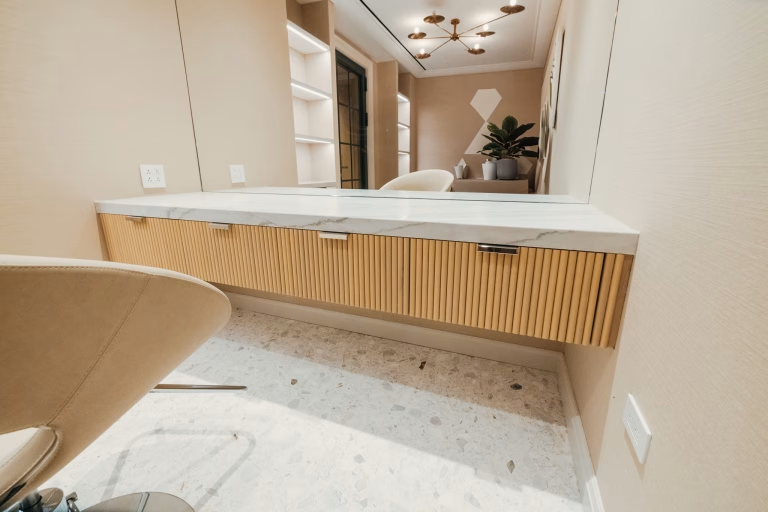
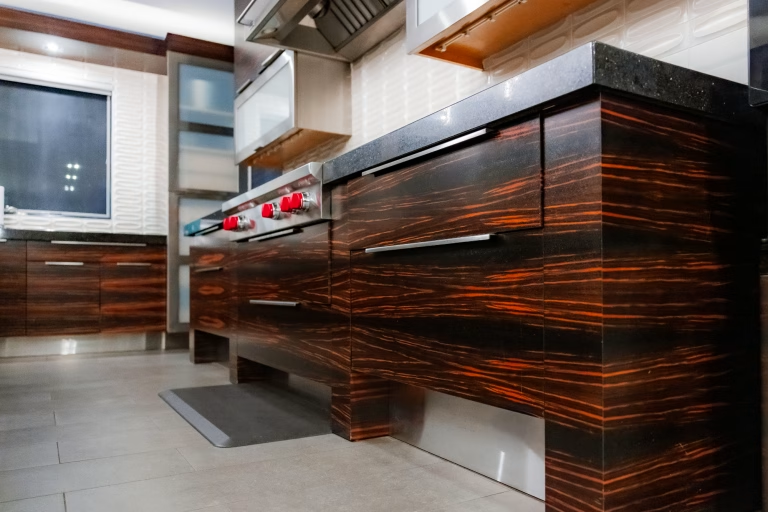
Modern fabrication techniques allow for the creation of complex forms and intricate details that would have been difficult or time-consuming to achieve in the past. Curved panels, fluted surfaces, and seamless transitions between materials can now be produced with greater precision.
At the same time, traditional joinery methods remain at the core of high-quality millwork. Techniques such as dovetail joints, mortise-and-tenon construction, and careful edge finishing ensure strength and longevity.
By combining advanced fabrication with proven joinery, custom millwork achieves both innovation and durability.
New Materials Expand Design Possibilities
The evolution of materials is another way technology is shaping the future of millwork. In addition to traditional hardwoods, modern millwork incorporates engineered woods, sustainable materials, and high-performance finishes.
Products like bamboo-based panels, formaldehyde-free substrates, and durable laminates allow for environmentally responsible design without compromising aesthetics. Solid surface materials and advanced coatings provide additional options for durability and visual impact.
These innovations give designers and clients greater flexibility, allowing custom millwork to adapt to a wide range of styles and applications.
Sustainability Through Smarter Practices
As sustainability becomes a priority in both residential and commercial design, technology plays a key role in reducing waste and improving efficiency. Precision cutting minimizes material waste, while digital planning ensures optimal use of resources.
Locally fabricated custom millwork also contributes to sustainability by reducing transportation and supporting regional craftsmanship. At NYCIM, our work is produced in-house in Astoria, allowing for greater control over quality and environmental impact.
Sustainable millwork is not just about materials, it’s about thoughtful processes that respect both the craft and the environment.
Customization at a Higher Level
Technology has expanded what is possible in custom millwork, allowing for a level of personalization that was once difficult to achieve. Complex geometries, integrated lighting systems, and multifunctional built-ins can now be designed and fabricated with precision.
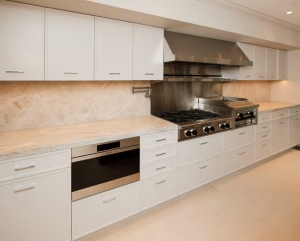
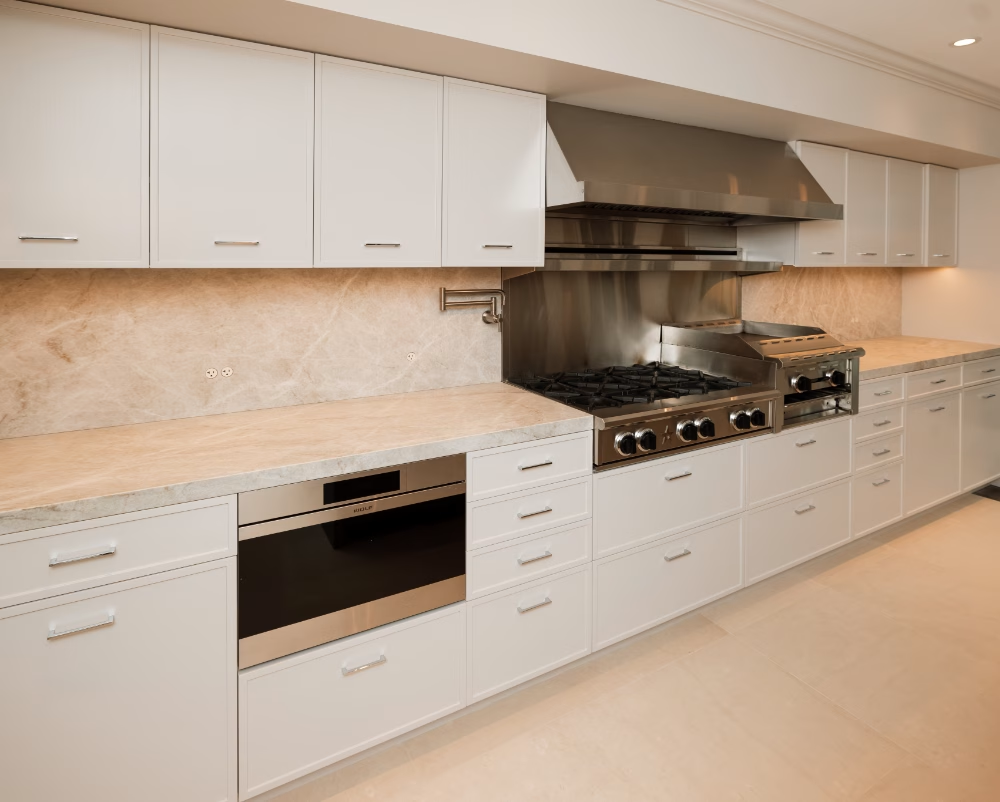
For NYC homes and commercial spaces, this means millwork that adapts perfectly to unique layouts and specific needs. Whether it’s a custom kitchen, a hospitality bar, or a retail display, technology enables designs that are both innovative and highly functional.
This level of customization is what sets modern millwork apart from standard solutions.
Maintaining the Human Element
Despite all these advancements, the human element remains central to custom millwork. Technology can enhance efficiency and precision, but it cannot replace the intuition, experience, and artistry of skilled craftsmen.
From selecting the right wood grain to applying finishes that highlight natural beauty, these decisions require a trained eye and a deep understanding of materials. The best millwork combines the consistency of technology with the nuance of human craftsmanship.
At New York Custom Interior Millwork, we believe this balance is what defines the future of the industry.
Adapting to the Needs of Modern Spaces
As architecture and interior design continue to evolve, millwork must adapt. Open-concept living, flexible workspaces, and multi-use environments all require millwork solutions that are both versatile and visually cohesive.
Technology allows us to design millwork that integrates seamlessly with these changing spaces. Built-ins can serve multiple functions, storage can be concealed within architectural elements, and finishes can be tailored to complement modern materials.
This adaptability ensures that custom millwork remains relevant in a rapidly changing design landscape.
The Future Is Built on Balance
The future of millwork is not about choosing between tradition and technology, it’s about combining the two. Advanced tools and materials expand what is possible, while craftsmanship ensures that those possibilities are realized with care and precision.
In New York City, where design standards are high and spaces are constantly evolving, this balance is essential. Custom millwork must meet the demands of modern living while maintaining the quality and integrity that define great craftsmanship.
At New York Custom Interior Millwork, we are proud to be part of that future. By blending innovation with tradition, we create millwork that reflects both where the industry has been and where it is going.
If you’re planning a residential or commercial project and want millwork that combines cutting-edge technology with timeless craftsmanship, contact New York Custom Interior Millwork at (718) 392-1600 or email liz@nycmillwork.com. Let’s build something that honors the past while shaping the future.