
If you have ever planned a renovation, worked with an interior designer, or explored high-end residential and commercial interiors, you have likely come across the term “custom millwork.” It is one of the most commonly used phrases in the design and construction industry, yet many people are not entirely sure what it means or why it plays such an important role in creating beautiful, functional spaces.
In the simplest terms, custom millwork refers to woodwork and architectural elements that are designed, fabricated, and installed specifically for a particular project. Unlike stock cabinetry, prefabricated furniture, or mass-produced building components, custom millwork is created to fit the exact dimensions, style, and functional needs of a space.
At New York Custom Interior Millwork, custom millwork is at the core of everything we do. From luxury residential interiors and custom kitchens to hospitality venues, retail environments, and commercial offices, custom millwork allows us to create spaces that are tailored, timeless, and uniquely suited to each client.
Understanding what custom millwork is and why it matters can help homeowners, architects, designers, and business owners make more informed decisions when planning their next project.
Custom Millwork Is Built Specifically for Your Space
One of the defining characteristics of custom millwork is that it is designed specifically for the project it serves. Unlike standard products that come in predetermined sizes and finishes, custom millwork is created from scratch.
Every dimension is carefully measured. Every material is thoughtfully selected. Every detail is tailored to fit the architecture and design vision of the space.
This level of customization is particularly valuable in New York City, where homes and commercial spaces often feature unique layouts, historic architectural elements, and challenging dimensions. Standard products frequently leave gaps, wasted space, or design compromises. Custom millwork eliminates those issues by creating solutions that fit perfectly.
Whether it is a floor-to-ceiling library, a custom kitchen, a built-in banquette, or an elegant reception desk, custom millwork is designed around the space rather than forcing the space to adapt to a product.
Examples of Custom Millwork
Many people are surprised by how much custom millwork they encounter every day. It extends far beyond cabinetry and can include a wide range of architectural and functional elements.
Common examples of custom millwork include:
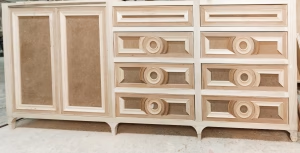
Custom kitchen cabinetry
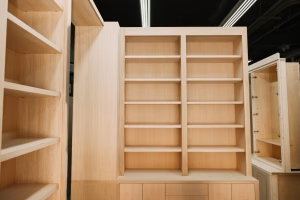
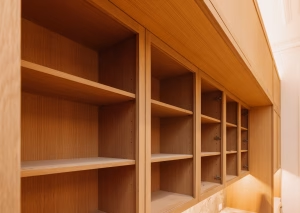
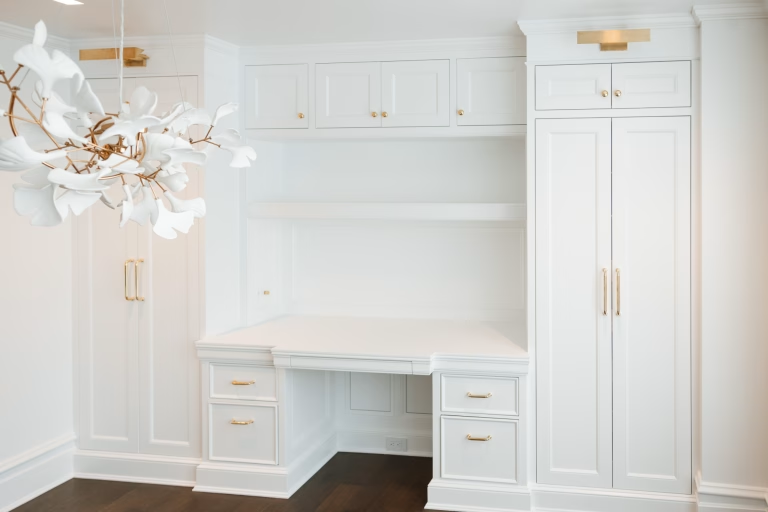
Built-in bookcases and shelving
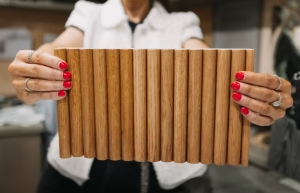
Architectural wall paneling
Crown moldings and trim work
Reception desks
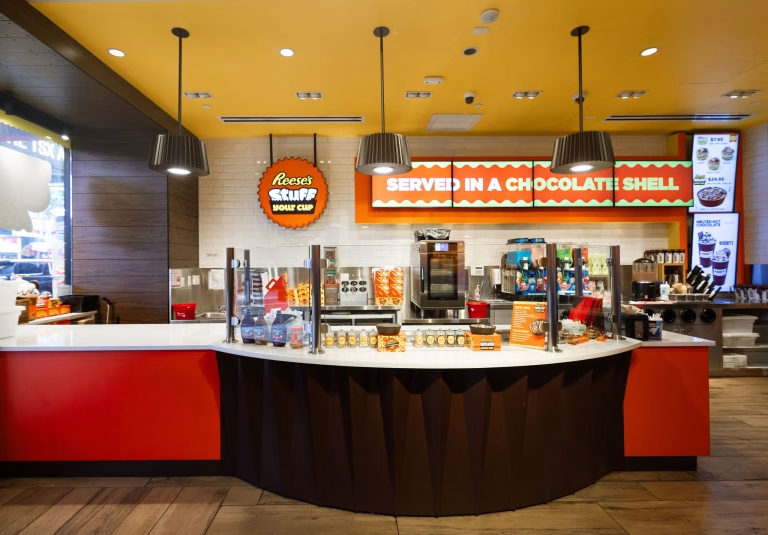
Hotel bars and hospitality interiors
Entertainment centers
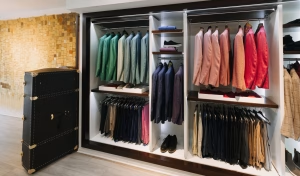
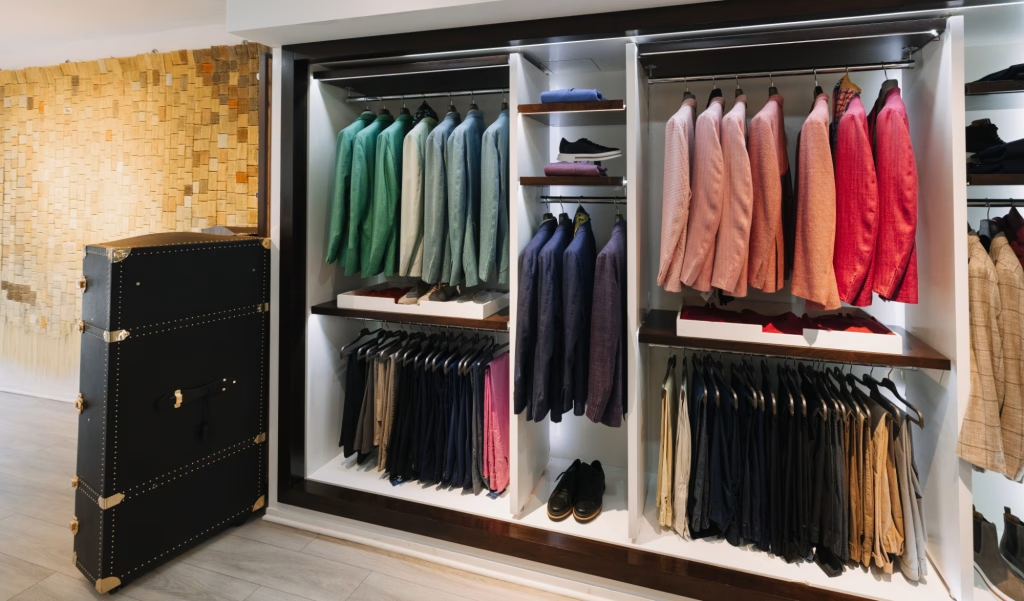
Custom closets
Banquettes and built-in seating
Window and door casings
Decorative ceiling treatments
Retail display fixtures
Office storage systems
These elements become integrated into the architecture of a space, creating a seamless and intentional appearance.
The Difference Between Custom Millwork and Stock Products
One of the easiest ways to understand custom millwork is to compare it with stock products.
Stock cabinetry and furniture are manufactured in standard sizes and configurations. They are designed to fit a broad range of applications and are often produced in large quantities.
Custom millwork, on the other hand, is designed specifically for one project. It can be adjusted to fit unusual dimensions, accommodate special storage needs, match existing architectural details, or achieve a particular aesthetic. This flexibility allows designers and homeowners to create spaces that feel highly personalized rather than generic.
For example, a stock cabinet may leave several inches of unused space between the top of the cabinet and the ceiling. A custom cabinet can be designed to extend all the way to the ceiling, creating a cleaner appearance while maximizing storage.
Why Custom Millwork Matters in NYC Homes
New York City homes present unique design challenges that make custom millwork particularly valuable.
Many apartments, brownstones, and townhomes feature:
Limited square footage
Irregular floor plans
High ceilings
Historic architectural details
Unusual corners or alcoves
Custom millwork allows homeowners to maximize every inch of available space while maintaining a cohesive design aesthetic.
Built-in storage can eliminate clutter. Custom cabinetry can improve organization. Architectural paneling can add character and sophistication. Together, these elements help transform even compact homes into spaces that feel larger, more functional, and more luxurious.
The Role of Custom Millwork in Commercial Design
Custom millwork is just as important in commercial environments as it is in residential interiors.
Hotels, restaurants, retail stores, offices, and entertainment venues often rely on architectural millwork to establish their identity and enhance the customer experience. Examples include:
Hotel reception desks
Restaurant bars
Retail display systems
Office conference room millwork
Hospitality wall paneling
Lounge seating and banquettes
These features help define the atmosphere of a space while supporting functionality and operations. For businesses, custom millwork is often one of the most visible representations of the brand itself.
The Importance of Craftsmanship
Custom millwork is not simply about creating something unique. It is also about creating something exceptionally well made.
At New York Custom Interior Millwork, every project begins with detailed planning and shop drawings. Materials are carefully selected, fabricated in-house, and finished by skilled craftsmen who understand both traditional woodworking techniques and modern fabrication methods.
This attention to detail ensures that the finished product is not only beautiful but also durable and built to last.
High-quality millwork can remain functional and visually stunning for decades, making it one of the most valuable investments in any interior.
The Collaborative Process Behind Custom Millwork
Another defining characteristic of custom millwork is collaboration.
Unlike purchasing a standard product, custom millwork involves working closely with designers, architects, contractors, and clients throughout the process.
This collaboration allows every detail to be refined and customized. Material samples can be reviewed, layouts adjusted, and finishes selected to ensure the final result aligns perfectly with the project vision.
The process is highly personalized, which is one of the reasons custom millwork produces such distinctive and successful outcomes.
Why Custom Millwork Continues to Grow in Popularity
As homeowners and businesses increasingly seek personalized environments, custom millwork continues to grow in demand. People want spaces that reflect their lifestyle, support their daily needs, and stand apart from generic solutions.
Custom millwork provides that opportunity. It combines functionality, craftsmanship, architectural detail, and personalization in a way that few other design elements can. It allows interiors to feel cohesive, intentional, and uniquely tailored to the people who use them.
Understanding the Value of Custom Millwork
So, what does “custom millwork” mean?
It means creating architectural woodwork and built-in features specifically for a space rather than relying on standard products. It means thoughtful design, precise fabrication, and skilled craftsmanship working together to create interiors that are both beautiful and functional.
Whether it is a luxury residential kitchen, a custom closet, a hotel lobby, a retail store, or a corporate office, custom millwork transforms ordinary spaces into extraordinary environments.
At New York Custom Interior Millwork, we are proud to bring decades of experience, craftsmanship, and collaboration to every project. If you are planning a residential or commercial renovation and want to explore the possibilities of custom millwork, contact us at (718) 392-1600 or email liz@nycmillwork.com. We would love to help bring your vision to life.