
Interior design trends are constantly changing. Colors move in and out of fashion, furniture styles evolve, and new materials regularly capture attention. Yet some interiors continue to feel beautiful and relevant decades after they were created.
What gives these spaces their staying power?
Often, the answer is found in the architecture itself.
Custom woodwork creates a lasting foundation that allows an interior to evolve without losing its character. From architectural wall paneling and custom cabinetry to built-in bookcases, moldings, doors, fireplace surrounds, and specialty millwork, carefully crafted wood elements bring warmth, proportion, texture, and permanence to a space.
In New York City, where historic architecture exists alongside contemporary apartments, luxury residences, hotels, restaurants, and commercial spaces, custom millwork can bridge different eras and design styles. It can preserve traditional character, introduce warmth into modern architecture, or create architectural interest where very little existed before.
We believe timeless interiors begin with thoughtful design and quality craftsmanship. Custom woodwork provides both.
What Makes an Interior Timeless?
A timeless interior is not necessarily traditional.
Contemporary spaces can be timeless, just as historic interiors can feel dated when design decisions rely too heavily on trends. Timelessness comes from balance, proportion, quality materials, and details that feel appropriate to the architecture.
Custom millwork supports each of these qualities.
Instead of adding decorative elements simply because they are fashionable, architectural woodwork can be designed specifically for the scale and character of a room. The result feels intentional rather than temporary.
A beautifully proportioned custom bookcase, for example, can remain relevant through multiple changes in furniture and décor. The same is true of well-designed cabinetry, paneling, moldings, and built-ins.
They become part of the architecture itself.
Natural Wood Has Enduring Appeal
Wood has been used in architecture and interiors for centuries, yet it continues to feel relevant in contemporary design.
One reason is its extraordinary versatility.
Depending on the wood species, cut, grain, stain, and finish, woodwork can feel warm and traditional, light and Scandinavian-inspired, rich and luxurious, or clean and modern.
White oak has become especially popular in contemporary interiors because of its subtle grain and natural warmth. Walnut can create a deeper, more dramatic appearance. Maple offers a clean and versatile foundation, while mahogany can bring richness to traditional and hospitality environments.
Painted custom millwork offers another timeless option, particularly when cabinetry and architectural details are designed with thoughtful proportions.
Rather than being tied to a single aesthetic, wood can evolve with the interior around it.
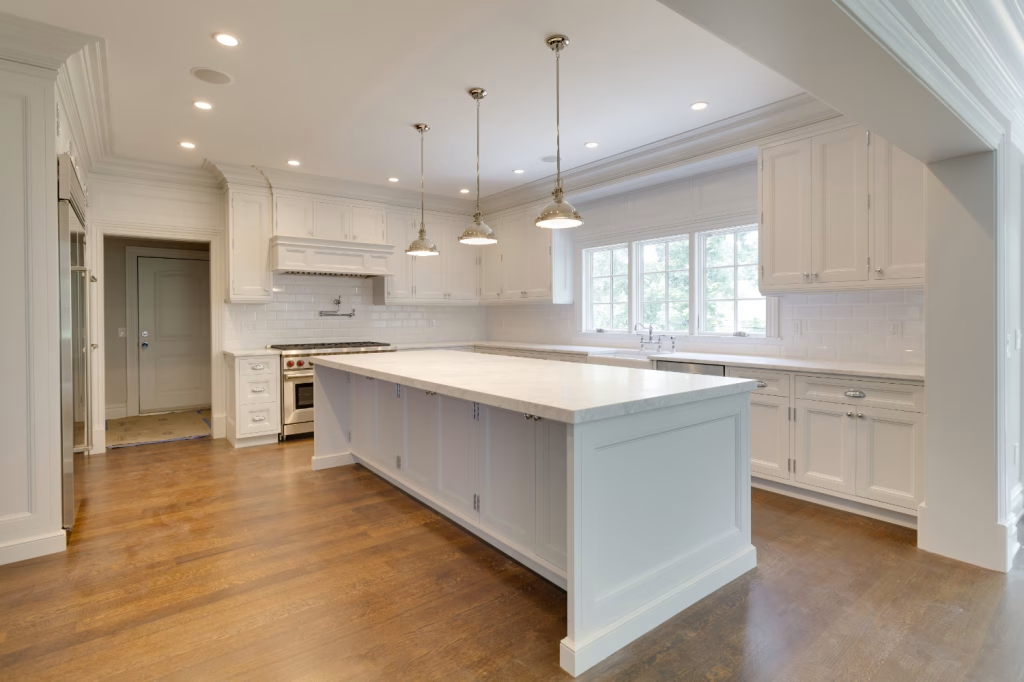
Custom Woodwork Creates Architectural Character
Furniture fills a room. Architectural millwork helps define it.
Custom wall paneling can turn a plain surface into a defining feature. Built-in cabinetry can establish symmetry and proportion. A fireplace surround can create a natural focal point. Moldings can give walls, doors, windows, and ceilings greater dimension.
These elements create architectural character that cannot always be achieved through furniture and accessories alone.
This is particularly valuable in newer NYC apartments where interiors may begin with relatively simple architectural finishes. Custom woodwork can introduce warmth and individuality without requiring major structural changes.
In historic Manhattan apartments and Brooklyn brownstones, custom millwork can take a different approach by complementing or reinterpreting the property’s existing architectural details.
In both cases, the objective is the same: create an interior that feels as though its details truly belong there.
Timeless Design Depends on Proportion
One of the less obvious benefits of custom architectural millwork is the ability to control proportion.
Standard cabinetry and furniture are manufactured according to predetermined sizes. Those dimensions may technically fit a room, but they are not necessarily ideal for its architecture.
Custom millwork can respond directly to ceiling heights, windows, doorways, wall dimensions, and other surrounding elements.
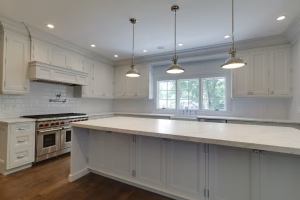
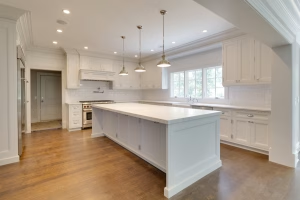
A built-in bookcase can be divided according to the proportions of the wall. Wall paneling can align with windows and doors. Kitchen cabinetry can extend naturally to the ceiling rather than ending at an arbitrary height.
These decisions may be subtle, but they influence how balanced an interior feels.
Good proportions rarely go out of style.
Craftsmanship Outlasts Trends
Timeless design and quality craftsmanship are closely connected.
A beautifully designed feature loses much of its impact if doors do not align properly, finishes are inconsistent, joints are visible where they should not be, or materials do not hold up to everyday use.
High-end custom millwork requires attention at every stage, from design and shop drawings to fabrication, finishing, and installation.
Details such as grain direction, panel alignment, hardware placement, edge profiles, reveals, and transitions between materials all contribute to the finished result.
These are not necessarily the features a homeowner or guest identifies immediately. Instead, they create an overall impression of quality.
That sense of craftsmanship is one of the reasons well-executed custom woodwork can remain beautiful long after a particular design trend has passed.
Built-Ins Provide Lasting Functionality
Timeless interiors need to function as well as they look.
Custom built-ins combine architectural character with practical storage, making them particularly valuable in New York City homes.
A living room might include floor-to-ceiling bookshelves with concealed cabinetry below. A bedroom can incorporate custom wardrobes designed around the homeowner’s storage needs. A home office can include integrated shelving, file drawers, and technology storage.
Popular custom woodwork applications include:
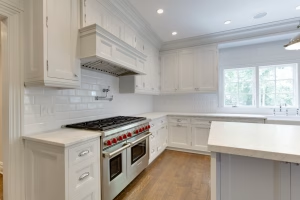
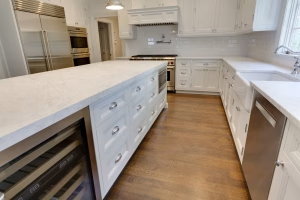
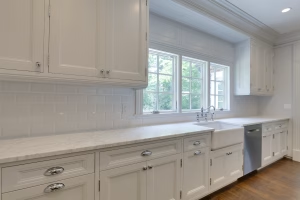
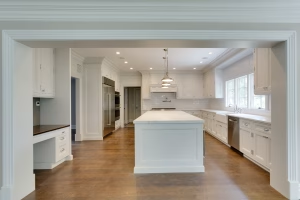
Custom kitchen cabinetry
Built-in bookcases and libraries
Walk-in closets and wardrobes
Entertainment centers
Home office cabinetry
Fireplace surrounds
Dining room credenzas
Custom bars
Window seating
Banquettes
Architectural wall paneling
Custom doors and trim
Because these elements are designed around the property, they can remain useful even as furnishings and decorative styles change.
Custom Millwork Creates Continuity
Some of the most sophisticated interiors have a sense of visual continuity from room to room.
Custom woodwork can help establish that connection.
A wood species introduced in the entryway might appear again in the kitchen or living room. A molding profile can continue through several spaces. Similar cabinetry details can connect a home office with a nearby library or media room.
The goal is not to make every room identical. Instead, repeating carefully selected materials and architectural details creates a subtle design language throughout the property.
This sense of cohesion is an important characteristic of timeless interior design.
Wood Brings Warmth to Contemporary Spaces
Modern architecture often emphasizes glass, stone, metal, and clean surfaces. While these materials can create striking interiors, too many hard surfaces can sometimes make a space feel cold.
Custom woodwork provides a natural counterbalance.
Wood grain introduces texture and visual movement without requiring excessive decoration. Even simple cabinetry can add warmth to a minimalist interior when the material is carefully selected and beautifully finished.
A contemporary Manhattan apartment, for example, might incorporate rift-cut white oak cabinetry, flush wall paneling, or a custom entertainment center. The detailing can remain clean and modern while the natural material prevents the space from feeling sterile.
This balance between simplicity and warmth is one reason architectural woodwork works so well in modern luxury interiors.
Custom Woodwork Can Respect Historic Architecture
New York City is home to an extraordinary collection of historic residences and buildings.
Renovating these properties requires sensitivity. Homeowners often want modern kitchens, storage, technology, and functionality without losing the architectural character that makes the property special.
Custom millwork provides a way to achieve both.
New cabinetry can reference existing moldings or panel details. Built-ins can be designed to complement original fireplaces and windows. Modern storage can be incorporated behind traditional-looking doors.
Rather than copying the past exactly, custom architectural millwork can create a thoughtful relationship between historic details and contemporary living.
Timeless Millwork Works in Commercial Interiors Too
The principles of timeless design extend beyond residential spaces.
Hotels, restaurants, offices, retail environments, and amenity spaces can all benefit from custom commercial millwork that prioritizes craftsmanship and architectural character over short-lived trends.
A custom restaurant bar made from richly finished wood can become an enduring centerpiece. Hotel millwork can create warmth and sophistication in lobbies and guest areas. Custom retail cabinetry can give a store a distinctive identity without overwhelming the merchandise.
In commercial environments, timeless design can be especially valuable because interiors need to remain visually relevant while withstanding significant daily use.
Quality custom woodwork helps accomplish both goals.
The Best Interiors Have a Strong Foundation
Furniture, lighting, textiles, artwork, and accessories can all change over time. Architectural millwork provides the foundation those elements build upon.
When cabinetry, wall paneling, built-ins, moldings, and specialty woodwork are thoughtfully designed, they give an interior an identity that does not depend on the latest trend.
That does not mean custom millwork needs to look traditional or ornate. Some of the most timeless architectural woodwork is remarkably simple.
What matters is proportion, material, function, craftsmanship, and the relationship between the millwork and the surrounding architecture.
Create a Timeless Interior with New York Custom Interior Millwork
Timeless interior design is not about predicting which styles will remain popular. It is about creating a strong architectural foundation that can adapt as tastes and lifestyles evolve.
Custom woodwork does exactly that.
It introduces natural warmth, adds architectural character, provides functional storage, improves visual continuity, and gives designers the freedom to create details specifically for each property.
At New York Custom Interior Millwork, we bring decades of experience to residential and commercial millwork projects throughout New York City and beyond. We collaborate with homeowners, interior designers, architects, contractors, and commercial clients to create custom cabinetry, built-ins, wall paneling, kitchens, closets, bars, and specialty architectural woodwork designed for lasting beauty and function.
If you are planning a new interior, renovation, or custom millwork project, contact New York Custom Interior Millwork at (718) 392-1600 or email liz@nycmillwork.com. Trends may change, but thoughtful design and exceptional craftsmanship will always have a place in a beautiful interior.