
Storage is one of the most practical considerations in any home, but the best storage solutions do much more than provide a place to put things. When thoughtfully designed, built-in storage can influence how spacious a room feels, improve organization, reduce visual clutter, and become an important part of the home’s architecture.
This is especially valuable in New York City, where homeowners often need to make thoughtful use of every available square foot.
Custom built-ins can transform overlooked walls, alcoves, corners, and vertical space into functional storage without relying on a collection of freestanding cabinets and shelving units. From living room entertainment centers and built-in bookcases to custom closets, kitchen cabinetry, home offices, banquettes, and entryway storage, architectural millwork can create a home that works more efficiently while looking more cohesive.
Our team at New York Custom Interior Millwork designs and fabricates custom built-ins and architectural millwork for NYC homes with the specific property and homeowner in mind. While additional storage may be the most obvious advantage, some of the greatest benefits of built-ins are the ones you may not notice immediately.
Built-In Storage Makes Better Use of Space
Freestanding furniture is manufactured in predetermined dimensions. Even when a cabinet, bookshelf, or dresser fits reasonably well, it often leaves unused areas above, beside, or behind it. Custom built-in storage is designed around the exact dimensions of the room.
Cabinetry can extend from wall to wall or floor to ceiling. Shelving can fit within an existing alcove. A built-in can work around windows, columns, radiators, or other architectural conditions.
This means more of the available space can serve a purpose.
In an NYC apartment where storage is limited, gaining even a small amount of additional usable space can make everyday life significantly easier.
Built-Ins Can Actually Make a Room Feel Larger
Adding cabinetry might seem like it would make a room feel smaller, but carefully designed built-ins can have the opposite effect.
Several freestanding storage pieces create multiple visual breaks throughout a room. Each piece has its own height, depth, finish, and footprint.
A custom built-in can consolidate several functions into one clean architectural feature.
For example, a living room wall could combine media storage, bookshelves, display areas, drawers, and concealed cabinetry. Instead of having a media console, bookcase, storage cabinet, and shelving unit competing for space, everything is integrated into one design.
The cleaner sightlines can make the room feel calmer and more spacious.
Custom Storage Reduces Visual Clutter
Modern homes contain a surprising number of everyday objects. Electronics, chargers, paperwork, toys, books, remote controls, office supplies, games, kitchen equipment, and countless other items can quickly create visual clutter.
Custom cabinetry gives those items dedicated places.
Closed storage can conceal what does not need to be displayed, while open shelving can highlight books, artwork, photographs, and decorative objects.
The balance between open and closed storage can be customized for the room.
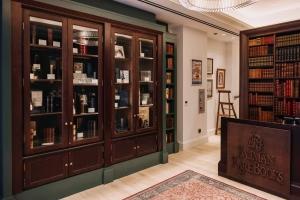
A minimalist interior might emphasize flush cabinetry and concealed hardware. A traditional room might feature glass-front cabinets, open bookshelves, and detailed panel doors.
In either case, the objective is the same: organize the practical necessities of everyday life without allowing them to dominate the interior.
Built-Ins Can Perform Several Functions at Once
One of the hidden advantages of custom built-ins is their ability to multitask.
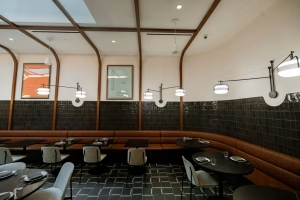
A window seat can provide seating, storage, and an architectural focal point. A dining banquette can save space while incorporating drawers or lift-up storage beneath the seat. A living room built-in can include a television, library, bar, and home office within a single wall.
Other multifunctional built-in ideas include:
Entryway benches with shoe and coat storage
Home offices incorporated into bookshelves
Window seating with drawers below
Entertainment centers with concealed media equipment
Banquettes with integrated storage
Custom bars with glassware and bottle storage
Bedroom wardrobes with built-in dressers
Fireplace surrounds with shelving and cabinetry
Mudroom cabinetry with seating and organization
Kitchen islands with storage, seating, and workspace
For modern homes, especially smaller NYC apartments, this ability to combine functions can dramatically improve how efficiently a room operates.
Storage Can Be Designed Around What You Own
Standard furniture gives you a predetermined combination of shelves, drawers, and cabinets. Custom millwork takes the opposite approach.
Storage can be designed around the items that actually need to go inside it.
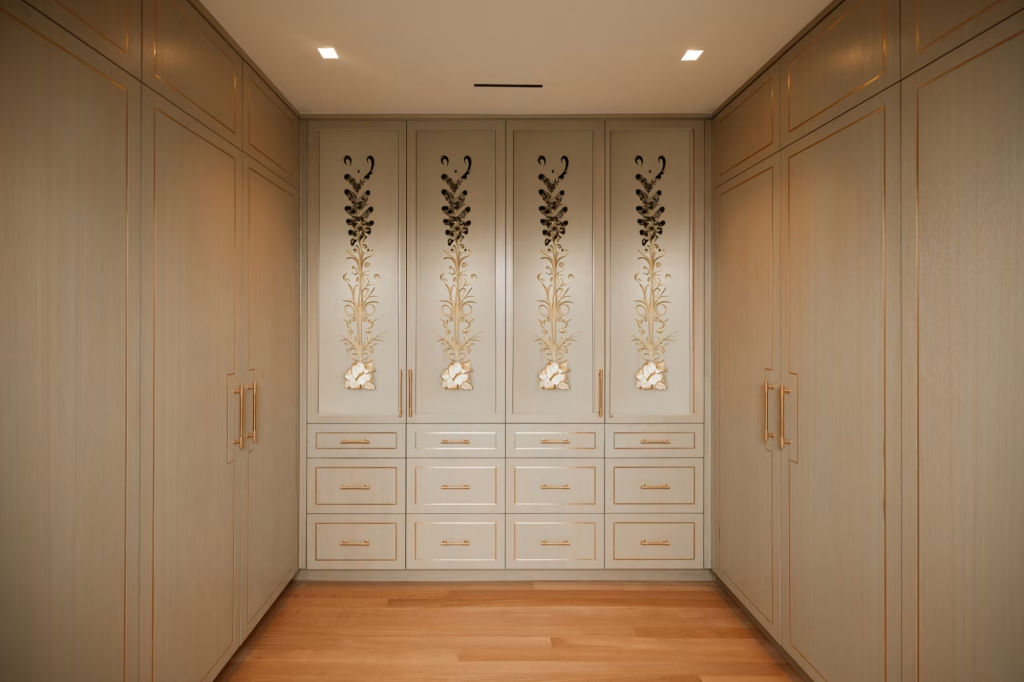
A custom closet can include specific areas for shoes, accessories, folded clothing, long garments, and seasonal storage. A home office can incorporate file drawers, printer storage, bookshelves, and cable management.
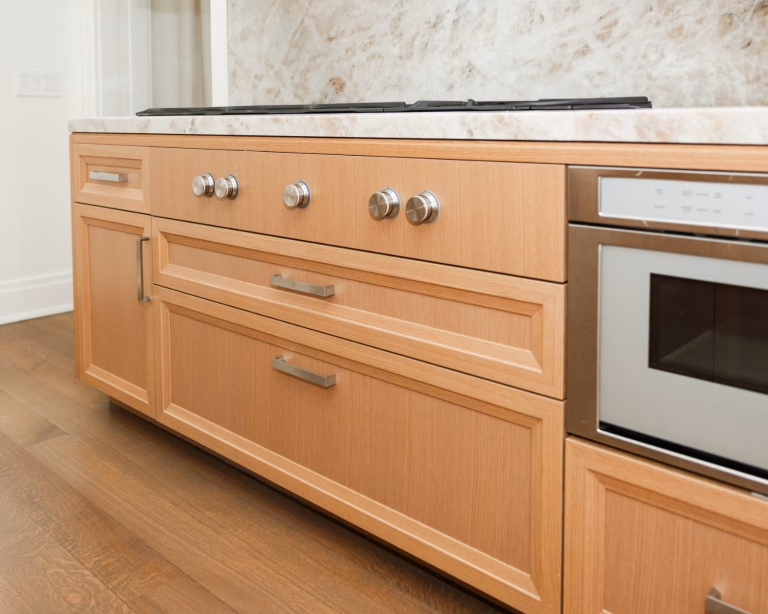
Kitchen cabinetry can be planned around cookware, appliances, pantry items, and entertaining pieces.
This personalization makes storage more useful because homeowners do not have to adapt their belongings to a generic configuration.
Built-Ins Create Architectural Character
Storage does not have to look purely functional. Custom built-ins can become some of the most distinctive architectural features in a home.
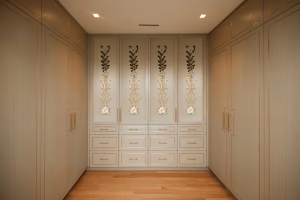
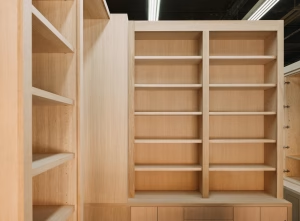
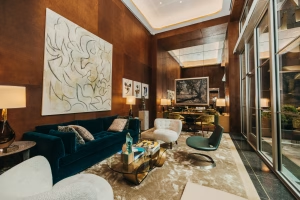
Floor-to-ceiling bookcases can give a living room the feeling of a private library. Custom cabinetry surrounding a fireplace can create symmetry and establish a focal point. Wall-to-wall wardrobes can introduce beautiful wood grain or detailed paneling into a bedroom.
In contemporary interiors, built-ins can use flush doors, subtle reveals, and natural veneers to create a clean architectural look.
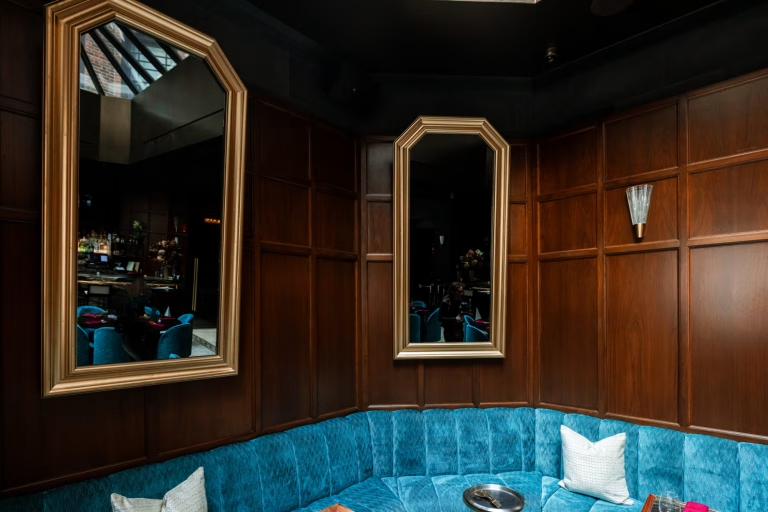
In traditional NYC homes, cabinetry can incorporate moldings, recessed panels, and proportions that complement existing details.
The result is storage that contributes to the character of the interior rather than simply occupying space.
Custom Built-Ins Can Handle Awkward Areas
Most homes have at least one area where standard furniture does not quite work.
New York City properties can have especially challenging conditions, including unusual corners, structural columns, radiators, narrow alcoves, high ceilings, and irregular walls. Custom millwork can turn these difficult areas into useful features.
An alcove can become a bookcase or home office. Cabinetry can be designed around a column. A radiator enclosure can be integrated with shelving or a display surface. An awkward wall can become floor-to-ceiling storage.
Instead of allowing architectural conditions to dictate what cannot be done, custom built-ins can work with those conditions.
Built-In Storage Can Hide Technology
Technology is essential to modern life, but it does not always improve an interior visually. Televisions, speakers, routers, gaming systems, printers, wires, charging stations, and other equipment can create clutter.
Custom millwork can integrate technology into the architecture.
Media equipment can be stored behind cabinet doors. Wiring can be managed within the built-in. Printers can be concealed inside home office cabinetry. Charging areas can be incorporated into drawers or cabinets.
This creates a cleaner environment while keeping technology accessible when needed. For luxury interior design, that combination of convenience and discretion can be particularly valuable.
Built-Ins Help Open-Concept Homes Feel Organized
Open-concept layouts can make homes feel larger and more connected, but they can also make storage more challenging.
When kitchens, dining areas, and living rooms share the same space, clutter in one area can affect the appearance of the entire interior. Custom built-ins help establish organization.
A living room storage wall can provide a strong focal point. A custom banquette can define the dining area. Kitchen cabinetry can coordinate with nearby built-ins to create visual continuity.
Millwork can also subtly define different zones without requiring additional walls.
This allows an open floor plan to remain spacious while giving each area a clear purpose.
Built-Ins Can Create Visual Continuity
Another less obvious benefit of custom built-in storage is its ability to connect different parts of a home.
The same wood species might appear in a kitchen, living room, and home office. Similar cabinet profiles can be used in bedrooms and closets. Hardware or architectural details can repeat subtly throughout the property. These connections help the interior feel cohesive.
Not every built-in needs to look identical. In fact, variation often makes a home more interesting. The goal is to create enough visual relationships that the rooms feel like parts of the same overall design.
Quality Built-Ins Are Designed for Long-Term Use
Custom built-ins are permanent architectural elements, which makes craftsmanship particularly important.
Doors and drawers need to operate smoothly. Shelves need to accommodate their intended use. Hardware must be appropriate for the application. Finishes need to withstand everyday contact.
Details such as panel alignment, wood grain, reveals, edge profiles, and transitions into surrounding architecture all influence the final result. Well-designed custom millwork is created not simply to photograph beautifully when the project is completed, but to continue functioning effectively through years of daily life.
Built-In Storage Creates a Home That Feels More Intentional
Perhaps the greatest hidden benefit of built-in storage is the overall effect it has on an interior.
When belongings have designated places, rooms feel calmer. When cabinetry fits the architecture, spaces feel more finished. When several functions are combined into one custom feature, floor plans become easier to navigate.
The home simply feels more intentional. This is the difference between adding storage and designing storage.
Custom millwork considers the room, architecture, belongings, lifestyle, and overall interior together.
Create Smarter Storage with New York Custom Interior Millwork
Built-in storage is about much more than finding additional places to put things.
The right custom millwork can maximize space, reduce visual clutter, integrate technology, improve organization, solve awkward architectural conditions, and introduce lasting character into a home.
For NYC residences, where space often needs to work especially hard, these advantages can completely transform everyday living.
At New York Custom Interior Millwork, we bring decades of experience to custom residential millwork projects throughout New York City and beyond. We collaborate with homeowners, architects, interior designers, and contractors to create custom built-ins, cabinetry, kitchens, closets, home offices, entertainment centers, banquettes, wall paneling, and specialty architectural woodwork designed specifically for each space.
If you are considering custom built-in storage for your home, contact New York Custom Interior Millwork at (718) 392-1600 or email liz@nycmillwork.com. The best storage solutions do more than organize your belongings. They become part of what makes your home work beautifully.