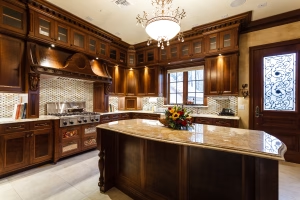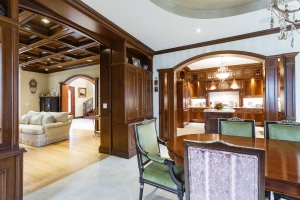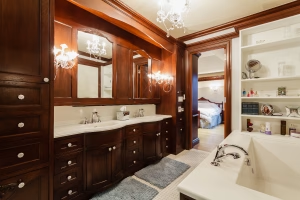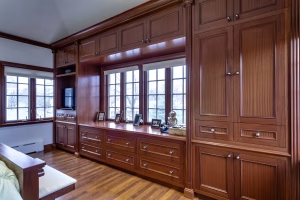

Interior architecture is about much more than determining where walls, doors, and rooms should go. The most successful interiors consider how people experience a space, how different architectural elements relate to one another, and how functionality can be integrated into the overall design.
Custom millwork plays an important role in bringing all of these ideas together.
From architectural wall paneling and custom cabinetry to built-in shelving, doors, moldings, reception desks, bars, and specialty woodwork, millwork helps transform an architectural concept into a finished environment. It can establish proportions, introduce material and texture, create storage, define different areas, and connect separate spaces through a consistent design language.
In New York City, where interiors range from historic brownstones and pre-war apartments to contemporary residences, luxury hotels, restaurants, offices, and retail spaces, architectural millwork can be particularly influential.
Our team works with homeowners, architects, interior designers, contractors, and commercial clients to create custom millwork that responds to both the architecture and the way a space needs to function.
What Is Millwork in Interior Architecture?
Millwork refers to custom-fabricated architectural woodwork and related interior elements that are created for a specific project.
Depending on the space, architectural millwork may include:
Custom cabinetry
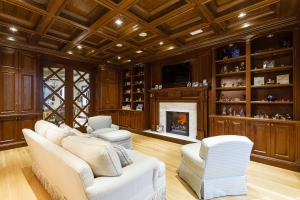
Built-in bookcases and shelving
Architectural wall paneling
Moldings and trim
Custom doors and surrounds
Fireplace mantels and surrounds
Reception desks
Custom bars and back bars
Banquettes and integrated seating
Custom closets and wardrobes
Bathroom vanities
Home office cabinetry
Retail display fixtures
Specialty architectural woodwork
Unlike standard furniture, these elements are often integrated directly into the architecture. This is why millwork can have such a significant influence on the finished interior.
It does not simply occupy the space. It helps define it.
Millwork Bridges Architecture and Interior Design
Architecture establishes the physical structure of a space, while interior design shapes how that environment looks, feels, and functions.
Custom millwork often sits directly between the two.
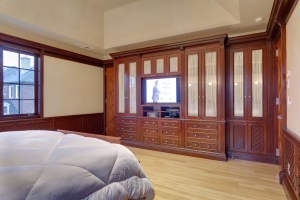
Consider a floor-to-ceiling built-in in a living room. Functionally, it may provide shelving, media storage, display areas, and concealed cabinetry. Visually, however, it also affects the proportions of the wall and may establish the primary focal point of the room.
The same applies to custom wall paneling. While it is technically a finish, it can dramatically influence how the architecture is perceived by introducing lines, rhythm, texture, and depth.
This ability to combine architectural purpose with interior design is one reason custom millwork is so valuable.
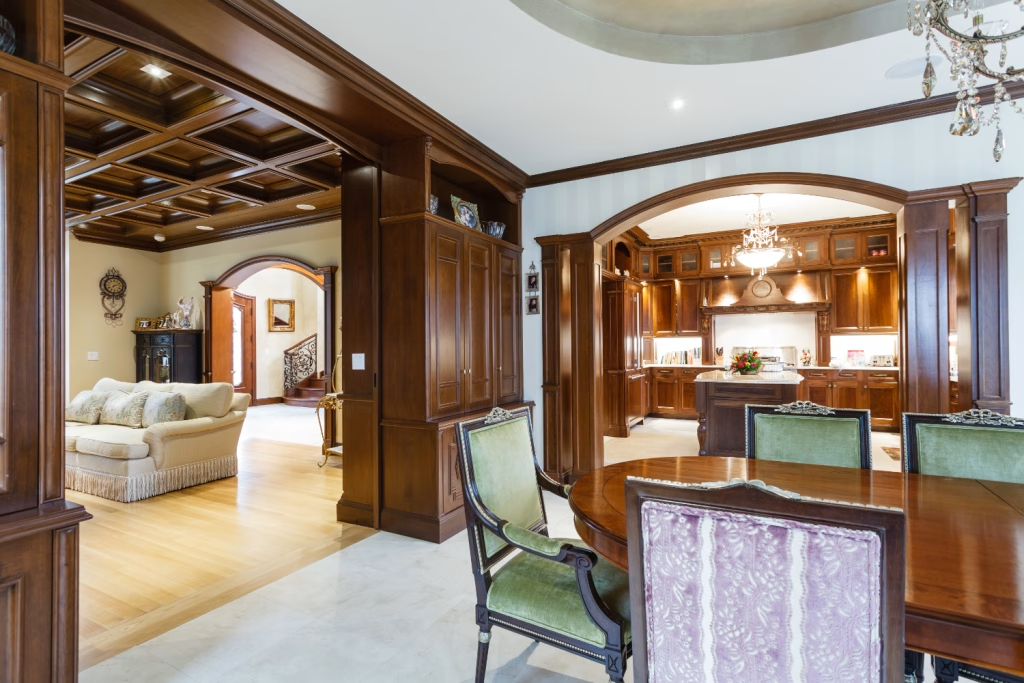
Custom Millwork Creates Architectural Character
Not every property begins with distinctive architectural details.
Many contemporary apartments and commercial spaces start as relatively simple shells. Walls may be flat, finishes minimal, and storage limited.
Custom architectural millwork can introduce character without requiring major structural changes.
Wall paneling can add depth to a large surface. Custom built-ins can establish symmetry. Moldings can create definition between walls and ceilings. A custom fireplace surround can introduce a strong focal point.
Even minimalist millwork can dramatically change the experience of a room.
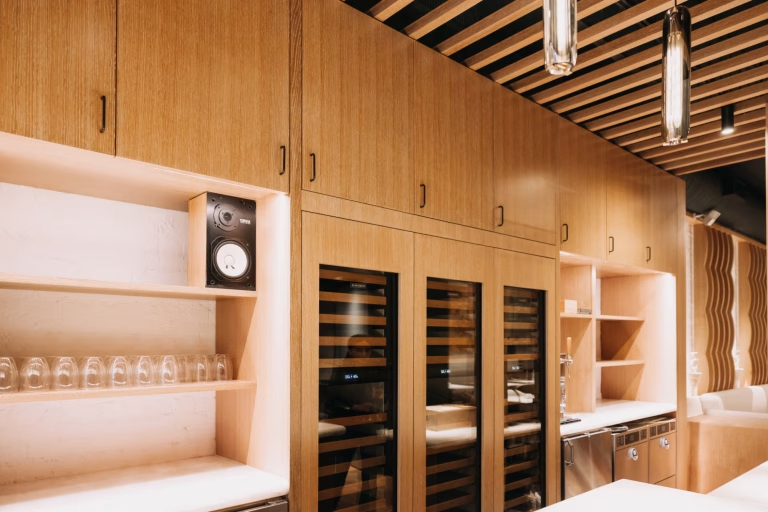
Flush cabinetry, natural wood veneer, subtle reveals, and concealed doors can give a modern interior sophistication without adding unnecessary ornamentation.
The specific style may vary, but millwork gives designers the opportunity to create architecture within the architecture.
Millwork Establishes Proportion and Rhythm
Good interior architecture depends heavily on proportion.
The height of cabinetry, spacing between panels, dimensions of shelving, relationship between doors and surrounding walls, and alignment of architectural features all influence how balanced a room feels.
Custom millwork gives architects and designers precise control over these relationships.
For example, wall paneling can be divided according to the scale of a room rather than predetermined panel sizes. A built-in bookcase can align with windows, doors, or ceiling details. Kitchen cabinetry can extend to a specific architectural line instead of stopping where standard cabinet dimensions dictate.
These decisions may not always be immediately obvious, but they contribute significantly to the overall sense of refinement.
Custom Cabinetry Integrates Function into the Architecture
Storage is necessary in nearly every interior, but it does not have to look like an addition made after the design was completed.
Custom cabinetry allows storage to become part of the architecture itself.
In residential interiors, this might include custom kitchen cabinetry, wardrobes, entertainment centers, libraries, bathroom vanities, or home office built-ins.
In commercial interiors, cabinetry may be incorporated into reception areas, restaurants, hotel lobbies, retail environments, conference rooms, or amenity spaces.
Because custom cabinetry is designed specifically for the project, it can respond to both practical needs and aesthetic goals.
Closed storage can disappear behind flush panels. Open shelving can become a display feature. Technology can be concealed. Appliances can be integrated. Cabinetry can even be designed to work around structural elements, radiators, windows, and other existing conditions.
Function becomes part of the design rather than something competing with it.
Millwork Helps Define Spaces Without Adding Walls
Modern interiors frequently feature open floor plans, but completely open spaces can sometimes lack definition.
Architectural millwork offers a way to create distinct zones without constructing additional walls.
A custom banquette can establish a dining area. A built-in shelving system can visually separate living and working zones. A custom kitchen island can define the transition between the kitchen and living space. In a commercial environment, reception desks, display fixtures, bars, and architectural screens can help direct movement through the interior.
This is particularly valuable in New York City, where maintaining openness while maximizing functionality is often a major design objective.
Millwork can provide structure without making the space feel enclosed.
Materials Influence the Experience of a Space
Interior architecture is experienced not only through form, but also through material.
Wood is particularly powerful because it introduces natural variation, texture, and warmth.
Rift-cut white oak can create a refined contemporary aesthetic. Walnut can add richness and depth. Maple can provide a clean and versatile appearance. Mahogany can bring a more traditional sense of sophistication.
Painted finishes provide an entirely different architectural effect and can allow detailed millwork to coordinate seamlessly with surrounding walls and ceilings.
Custom millwork can also incorporate stone, metal, glass, mirrors, upholstery, and other materials.
These combinations give architects and designers enormous flexibility when establishing the atmosphere of an interior.
Millwork Can Preserve Historic Architecture
The relationship between millwork and architecture becomes especially important in historic New York properties.
Pre-war Manhattan apartments, townhouses, and Brooklyn brownstones may contain original moldings, doors, fireplace surrounds, paneling, and other architectural details that contribute significantly to their character.
Renovating these homes often requires adding modern functionality while respecting the existing architecture.
Custom millwork can help bridge that gap.
New cabinetry can incorporate proportions or detailing inspired by original woodwork. Built-ins can complement historic fireplaces or window casings. Modern storage can be introduced without making it feel disconnected from the property.
Rather than erasing architectural history, carefully designed millwork can allow a home to evolve while maintaining its identity.
Architectural Millwork Shapes Commercial Interiors
The role of millwork is equally important in commercial interior architecture.
Hotels, restaurants, offices, retail stores, and amenity spaces need to function efficiently while creating an environment that communicates a specific identity.
Custom commercial millwork can accomplish both.
In a restaurant, the bar may become the centerpiece of the dining room. In a hotel, custom wall paneling and reception desks can establish the tone of the guest experience. Retail millwork can create displays that reinforce a brand while showcasing products effectively.
Office reception desks, conference room cabinetry, architectural wall treatments, and custom storage can create a professional environment while supporting daily operations.
In these spaces, millwork becomes part of the customer, guest, or employee experience.
Collaboration Is Essential
Because architectural millwork intersects with so many parts of a project, collaboration is critical.
Architects may establish the overall design intent and dimensions. Interior designers may specify materials, finishes, and aesthetic details. Contractors coordinate site conditions and construction schedules. Millwork fabricators translate those ideas into physical components that can actually be manufactured and installed.
Detailed shop drawings are an important part of this process because they allow dimensions, materials, construction methods, hardware, and other details to be reviewed before fabrication begins.
Good communication between all parties helps ensure that the finished millwork reflects the original vision while functioning properly within real-world site conditions.
Precision Craftsmanship Brings the Design to Life
Millwork can look simple on a rendering, but achieving that simplicity in a finished interior requires precision.
Panels need to align. Doors and drawers need to operate correctly. Wood grain may need to continue across multiple surfaces. Reveals must remain consistent. Materials need to transition cleanly into stone, metal, glass, flooring, ceilings, and surrounding construction.
These details are where craftsmanship becomes visible.
High-quality custom millwork brings together technical knowledge and hands-on skill. From fabrication and finishing to final installation, each stage influences how successfully the millwork becomes part of the architecture.
Millwork Creates Continuity Throughout an Interior
Architectural millwork can also establish a consistent visual language throughout an entire property.
A particular wood species may appear in an entryway, kitchen, living room, and home office. Similar panel details might continue through hallways and common spaces. A consistent finish or molding profile can subtly connect otherwise distinct rooms.
In a hotel or restaurant, recurring millwork details can reinforce the identity of the property across multiple guest areas.
This does not mean every space needs to look the same. Instead, millwork can provide subtle visual connections that make the overall design feel cohesive.
Why Millwork Matters in Interior Architecture
The role of millwork in interior architecture extends far beyond cabinetry or decorative woodwork.
Custom millwork influences proportion, functionality, circulation, materiality, storage, architectural character, and the overall experience of a space. It can define a room without constructing walls, create storage without adding visual clutter, preserve historic character, or introduce architectural interest into a modern interior.
Most importantly, custom millwork allows architecture and interior design to work together.
At New York Custom Interior Millwork, we bring decades of experience to residential and commercial millwork projects throughout New York City and beyond. We create custom cabinetry, built-ins, architectural wall paneling, kitchens, closets, bars, reception desks, hospitality millwork, retail fixtures, and specialty architectural woodwork tailored to the requirements of each project.
If you are an architect, interior designer, contractor, homeowner, or commercial client planning a project that requires custom architectural millwork, contact New York Custom Interior Millwork at (718) 392-1600 or email liz@nycmillwork.com. Thoughtful millwork does more than complete an interior. It becomes an integral part of the architecture itself.